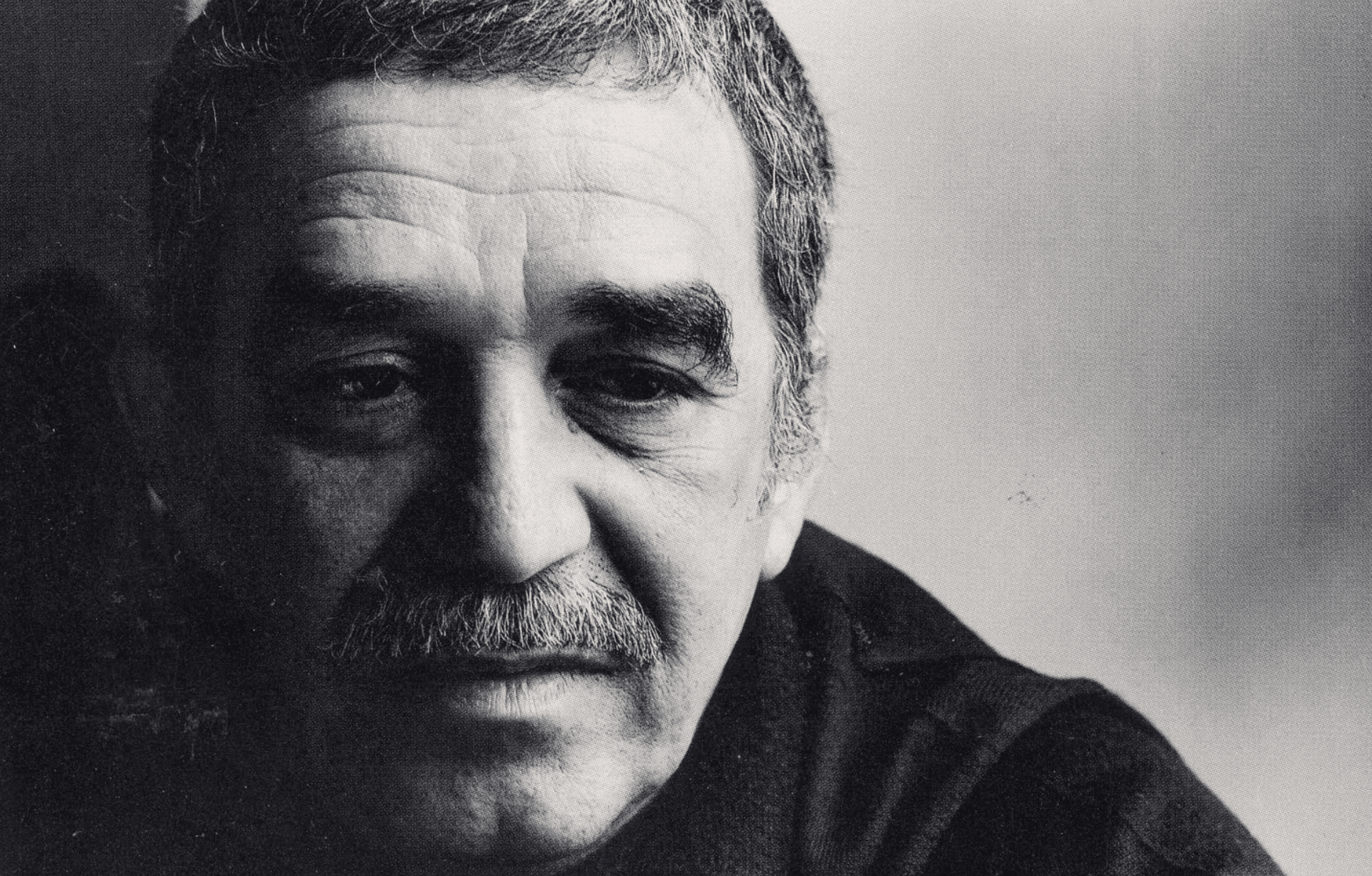
Life is not what one lived, but what one remembers and how one remembers it in order to recount it.
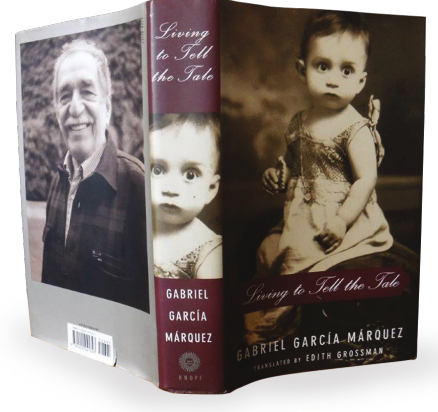
Living to Tell the Tale is the first volume of Gabriel García Márquez’s memoir, offering a vivid and deeply personal account of his early life, from childhood to his journey toward becoming a writer. Written with his signature lyrical style, the book blends memory, history, and storytelling, capturing the struggles, inspirations, and defining moments that shaped his literary genius.
Márquez was born and raised in Aracataca, a small Colombian town rich in folklore, war memories, and superstition. His childhood was shaped by his grandfather, a retired colonel who filled his early years with stories of honour and history, and his grandmother, whose belief in ghosts and omens made the supernatural feel like part of everyday life. These early influences later became central to his literary imagination. However, his childhood was also marked by poverty, as his family faced financial difficulties that would persist into his young adulthood.
As he grew older, Márquez encountered the weight of family expectations. His parents hoped he would pursue a respectable career in medicine or law, and he dutifully enrolled in law school in Bogotá. But his true passion lay elsewhere. He spent more time reading literature and writing stories than attending classes. His time in Bogotá was soon disrupted by the assassination of Jorge Eliécer Gaitán in 1948, an event that triggered violent riots and forced him to flee the city. This period of political turmoil, known as La Violencia, exposed him to the brutality and instability that would deeply inform his later works.
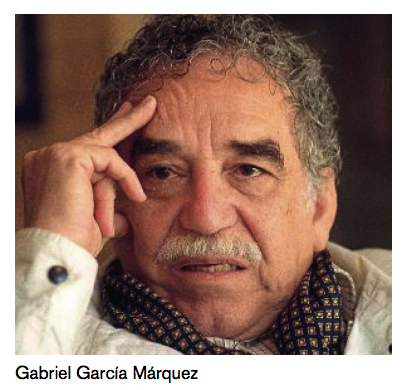
Determined to follow his own path, Márquez abandoned law school and turned to journalism, a career that would sustain him while he worked to develop his writing. But the life of a young journalist was not easy. He struggled with financial instability, often going without food and living in cramped, precarious conditions. His work took him to cities like Cartagena and Barranquilla, where he wrote for newspapers under difficult circumstances, facing censorship, political pressures, and the constant threat of losing his job. At times, he had to write sensationalist stories just to make ends meet.
Despite his growing commitment to literature, self-doubt and rejection plagued his early writing years. He experimented with different literary styles, often feeling uncertain about his abilities and struggling to find his unique voice. Moving from one place to another, he carried with him the emotional burden of displacement, always caught between survival and the pursuit of his artistic dreams.
One of the pivotal moments in Living to Tell the Tale is Márquez’s journey with his mother to sell their childhood home. What begins as a simple trip becomes an existential turning point, solidifying his decision to dedicate his life to storytelling, despite the uncertainty ahead. This deeply personal moment, like much of the memoir, is written with the same narrative magic that defines his fiction.
Despite hardships, political unrest, and personal struggles, Márquez’s memoir ultimately tells a story of resilience and the unbreakable power of storytelling. He transforms his own life into a work of art, proving that even in the face of adversity, memory and imagination can create something extraordinary.