I ’ve watched every Mission: Impossible film over the years, and I’ve cheered for Ethan Hunt from his wirehanging days in Prague to his death-defying helicopter chases in Kashmir. But The Final Reckoning hit me differently. It wasn’t just another adrenaline rush—it felt like a farewell letter wrapped in fire, sweat, and sentiment. And for me, it’s the best of them all.
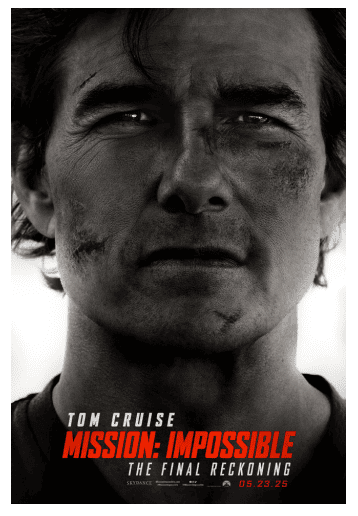
Tom Cruise returns as Ethan Hunt with a performance that is both physically jaw-dropping and emotionally grounded. You can feel it—this is a man who’s given everything to this role.
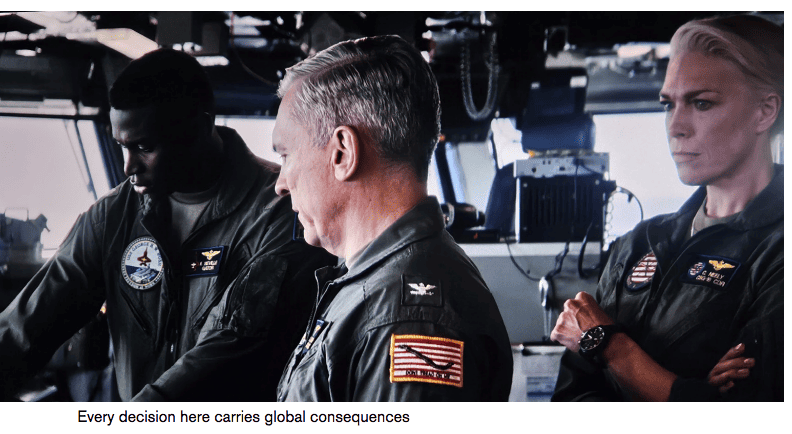
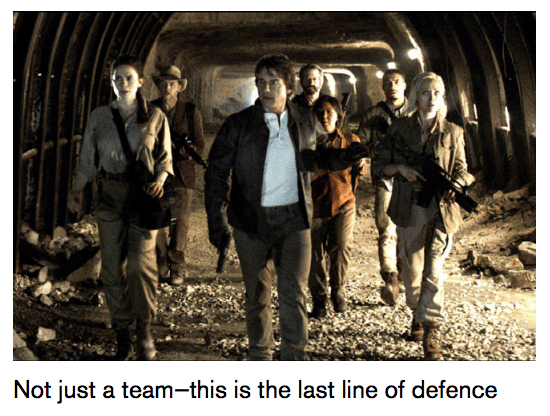
The returning team—Simon Pegg as the ever-witty and sharp Benji, Ving Rhames as the loyal Luther Stickell—and I found myself especially drawn to Hayley Atwell as Grace. She’s magnetic, mysterious, and a perfect foil to Ethan’s intensity. Esai Morales as Gabriel was chilling—a cold, calculating ghost from Ethan’s past who added an emotional weight I didn’t expect. And then there’s Pom Klementieff—a scene-stealer in every frame, bringing a ferocious physicality to her role as the assassin Paris.
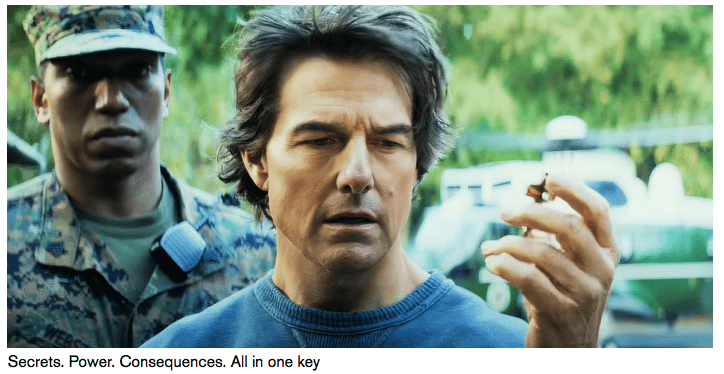
But one of my favourite scenes— and one I wasn’t expecting—was the reunion with William Donloe, the former CIA analyst exiled to a frozen outpost after Ethan’s legendary break-in at Langley all the way back in MI1. His reappearance was both clever and moving. Now a quiet, weathered man guarding a crucial piece of the puzzle, Donloe’s scene brought an unexpected warmth— especially alongside Tapeesa, his resilient and loving wife. When Grace and Tapeesa escape by dog sled while Donloe bravely transmits the coordinates under fire—it reminded me that Mission: Impossible has always been about more than stunts. It’s about people choosing courage in impossible moments.
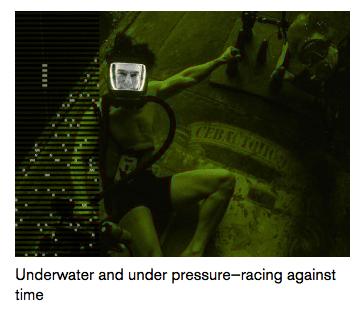
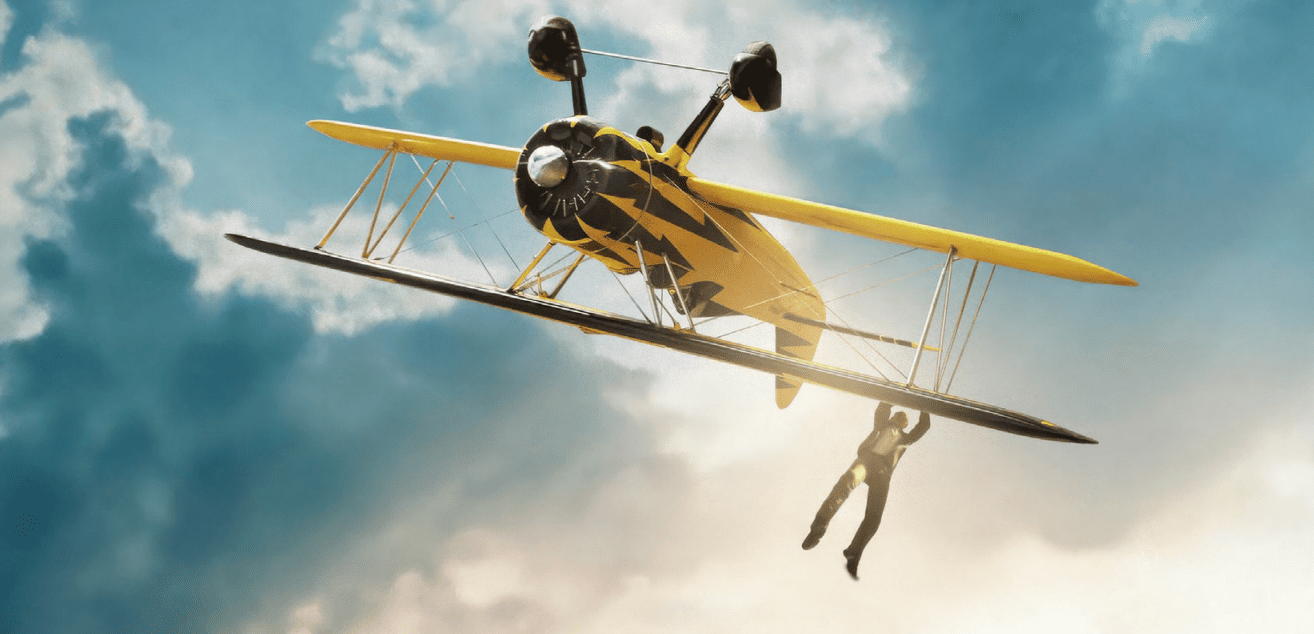
Let’s talk stunts. Cruise doesn’t just perform them; he becomes the mission. And this time, it’s not just about outrunning explosions— it’s about confronting legacy, loyalty, and sacrifice. There’s a moment—you’ll know it when you see it—where Cruise skydives through flames, and I actually stopped breathing for a second. Yes, the HALO jump in Fallout was epic. Yes, the Burj Khalifa climb in Ghost Protocol was legendary. But this? This was spiritual. It felt like watching a man write his own myth in the sky.
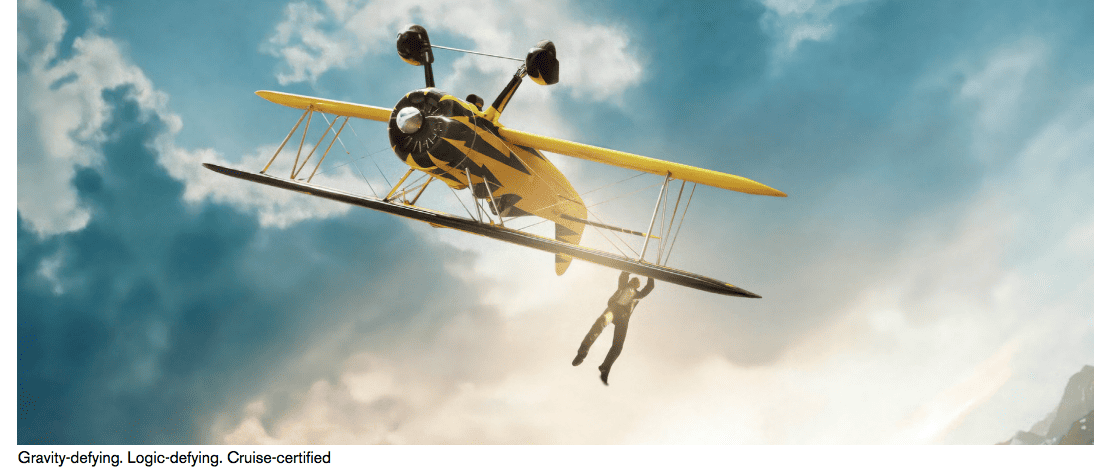
It wasn’t just spectacle; it was cinema at its most daring. What makes it even more astonishing? That scene wasn’t done once or twice—Tom Cruise performed it 16 times, earning him a Guinness World Record for the most burning parachute jumps by an individual. Each jump involved a fuel-soaked parachute set ablaze mid-air, with a backup chute deployed while freefalling at over 7,000 feet. That wasn’t CGI. That was Tom Cruise, risking everything to give us a moment we’d never forget. And that’s what separates him—not just as an actor, but as a legend.
And while Cruise is the heartbeat, credit must go to the man behind the camera: Christopher McQuarrie. For four consecutive films now, McQuarrie has not only directed but also elevated this franchise with his vision. His balance of spectacle and soul, action and emotion, is masterful. He doesn’t just create chase scenes—he builds emotional arcs inside explosions. And in The Final Reckoning, he gives us something rare in action cinema: closure that feels earned, not rushed.
I know critics say it’s long, maybe even bloated. But I welcomed every minute. The pacing, the quiet dialogues between chaos, the reflective moments—all of it gave space for us to really feel the gravity of what’s at stake. This wasn’t just another mission. It was the mission. Is it perfect? Maybe not by traditional standards. But sometimes, it’s not about perfection. It’s about how a film makes you feel. And The Final Reckoning made me feel proud, nostalgic, and oddly hopeful. It gave me closure and a cinematic high I didn’t realise I needed.
If this truly is the end of Ethan Hunt’s journey, what a way to go.
Thank you, Tom Cruise, for running, leaping, climbing, crashing—and thank you, Christopher McQuarrie, for giving it meaning. You didn’t just direct an action film—you orchestrated a farewell symphony.