SERVING UP AN EXPERIENCE THAT’S BOTH ENJOYABLE AND INSIGHTFUL, SIEM REAP CONTINUES ITS REIGN AS CAMBODIA’S PRIME TOURISM DESTINATION, WHERE ANCIENT TEMPLES, A GROWING AND VIBRANT FOOD SCENE, AND THE OPPORTUNITY TO ENGAGE IN GENUINELY MEANINGFUL TRAVEL ALL CONVERGE.
Though Siem Reap attracts loads of global visitors every year, it seems to exist largely under the radar for many Malaysians, with only about 77,000 visiting Cambodia on the whole in 2024, making the number to Siem Reap considerably smaller. When compared to the 4.5 million Malaysians that journeyed to Thailand in the same year, the disparity is staggering. That oversight is a real shame, because not only is this small Cambodian city one of the world’s most enlightening travel spots, thanks largely to the incredible Angkor Wat and surrounding temple complex, but for those who love food, Siem Reap offers plenty of memorably tasty options.
For many, the name Cambodia itself is synonymous with the sandstone spires of Angkor Wat rising out of the mist, a monumental relic of the Khmer Empire’s brilliance. Visitors come from around the world to marvel at the ancient ruins – crumbling yet, etched with both timeless artistry and a sort of defiant beauty as they nevertheless succumb in slow motion to the passage of centuries. However, beyond the wonders of Angkor, Siem Reap offers a genuinely complete travel experience.
Yet beneath the surface pleasures of temple exploration and tourist nightlife, however, lies another, far deeper story – one of resilience, survival, and the sheer will to reclaim joy and hope after unimaginable suffering. To properly understand and appreciate Cambodia today, travellers must acknowledge the pain of its past. Less than 50 years ago, this was a country torn apart by civil war and subsequently consumed by one of the most brutal and ruthless genocidal crusades in modern history, a deadly campaign that led to the violent purge of nearly a quarter of Cambodia’s entire population at the time. The Khmer Rouge years (1975–1979) left a scar that has not yet fully faded: some two million lives lost, families shattered, and an entire generation traumatised.
Today, against that still-lingering backdrop, visitors can take small steps to ensure their time in Cambodia resonates positively, even long after they’ve returned home. One easy and enjoyable way to do this is simply to choose Shinta Mani Angkor as your accommodation.
A HOME BASE WITH A HEART
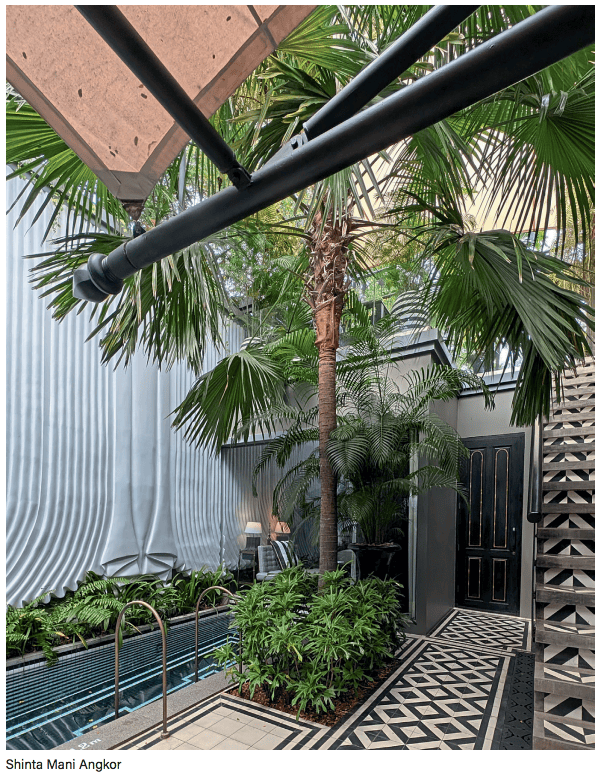
On this visit, we flew with Firefly from Kuala Lumpur direct to Siem Reap, as the airline just began operating the route in late November. We stayed at Shinta Mani Angkor, a place I had stayed before. In the years since the pandemic, however, a few things have changed. Previously, there had been two rather distinct properties on opposite sides of a quiet street near the Siem Reap River. They were both appealing but in different ways. Now, the funky Shinta Mani Shack of old – which was a testament to celebrated architect and designer Bill Bensley’s amazing creative quirkiness – has given way to a collection of 10 stunning private pool villas. They still carry that signature Bensley vibe, but the concept has been tilted more towards what could be called artistic elegance, now favouring indulgence over whimsy.
The villas, in actual fact, are an excellent value-for-money proposition, particularly if you travel during the low or shoulder seasons. What’s more, guest stays at Shinta Mani contribute to the Shinta Mani Foundation, which funds a number of commendable initiatives for the betterment of Cambodia.
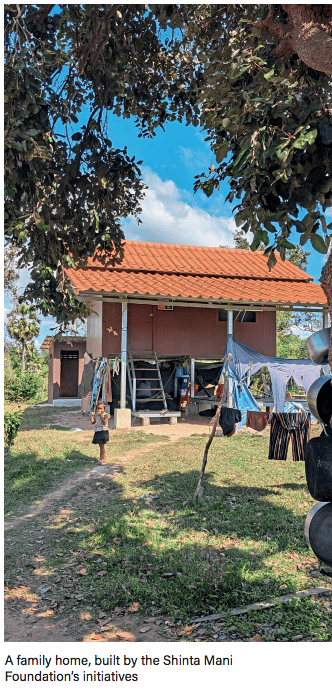
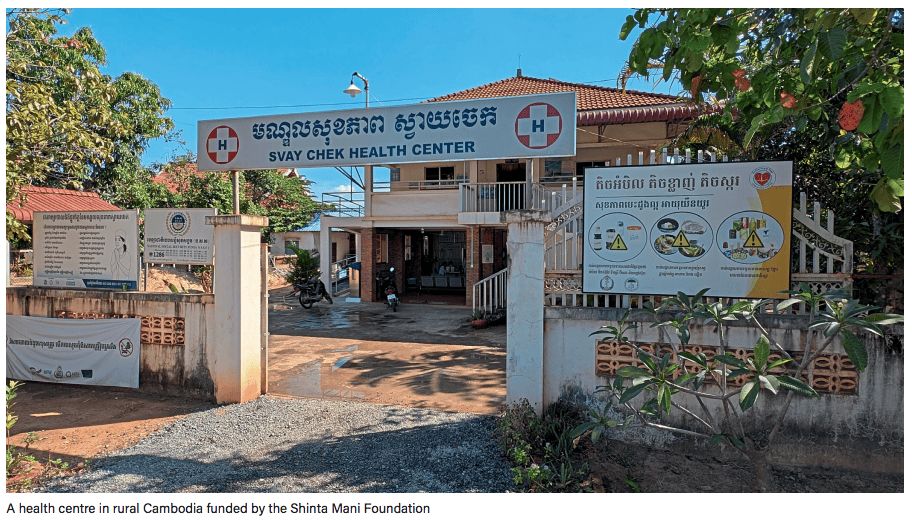
This foundation was founded by Bill Bensley and Sokoun Chanpreda with a mission of uplifting individuals and making a positive impact through a variety of initiatives. When guests stay at any Shinta Mani property in Cambodia, they fund – both directly and indirectly – this foundation, thus making a real and meaningful difference for the people, communities, and ecosystems of Cambodia. The foundation does amazing work in the country, and we were both delighted and honoured to go out one morning and see the fruits of the Shinta Mani Foundation’s efforts for ourselves.
As we were shown over the course of several hours, the foundation works closely with marginalised rural communities across Cambodia, focusing on practical, long-term support for families facing persistent economic and social challenges. Its programmes place particular emphasis on maternal and child health, providing assistance to expecting and nursing mothers through nutrition support, healthcare access, and education aimed at improving early childhood outcomes. Beyond healthcare, the foundation supports families in acute need with housing improvements, clean water access, education assistance, and livelihood initiatives, helping to support households in the short term while building pathways toward greater self-sufficiency and dignity.
While we gladly bought some lovely handmade goods from the people we met through the foundation, there is no obligation to do so. Merely staying at Shinta Mani Angkor ensures a measure of support for the incredibly worthwhile efforts of the foundation.

Back at the hotel, we certainly enjoyed the comforts of the villas, each of which offers a spacious layout with its own private swimming pool and lush garden courtyard, ensuring complete seclusion for guests. Interiors are playful yet refined, showcasing Bensley’s signature flair for contrast, eclectic furnishings, and Khmerinspired accents. Think oversized outdoor bathtubs, hand-crafted details, and bold artwork that mixes whimsy with sophistication. There’s even an upstairs garden terrace for relaxing amid the villa’s prolific landscaping.
And that’s not all. Guests staying in these villas enjoy personalised butler service, curated in-villa dining, and exclusive access to Shinta Mani’s upscale facilities, all while being just minutes away from Angkor Wat and a short walk from central Siem Reap.
DINING IN SIEM REAP
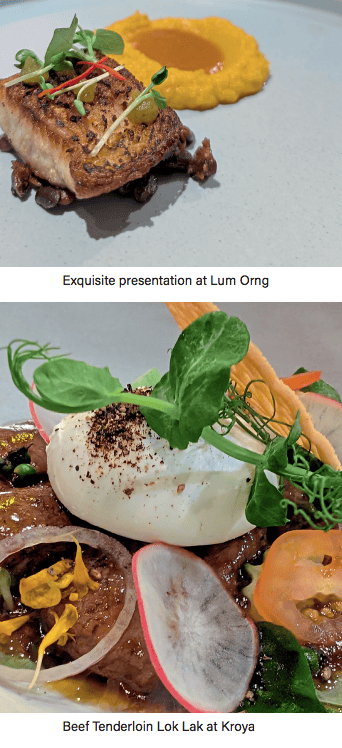
We loved our meals during our time in Siem Reap! While we didn’t take advantage of the invilla dining option, we very much enjoyed a dinner at the property’s incredible restaurant, Kroya, under the guiding hand of Executive Chef Chanrith, who beyond his talents with traditional Khmer cuisine, also specialises in fine French and Italian dining. The tasting menu is outstanding, and as with so many things in Siem Reap, offers considerable value for money – especially when taking into account the quality cuisine and meticulous preparation, gracious service, and he beautiful designer-led ambiance of the restaurant. If you are staying at Shinta Mani and want a top-notch dining experience without even having to go out, you’ll compromise nothing by booking a table at Kroya. It’s quite simply one of Siem Reap’s best restaurants.
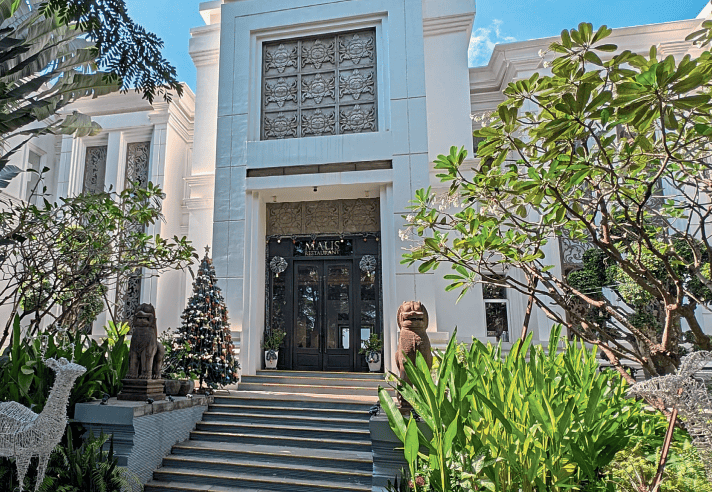
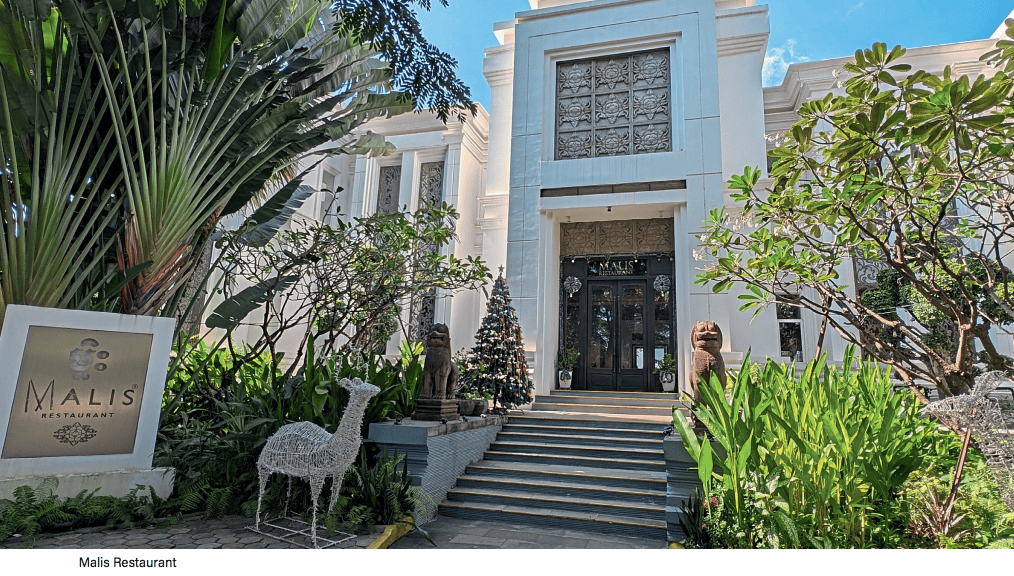
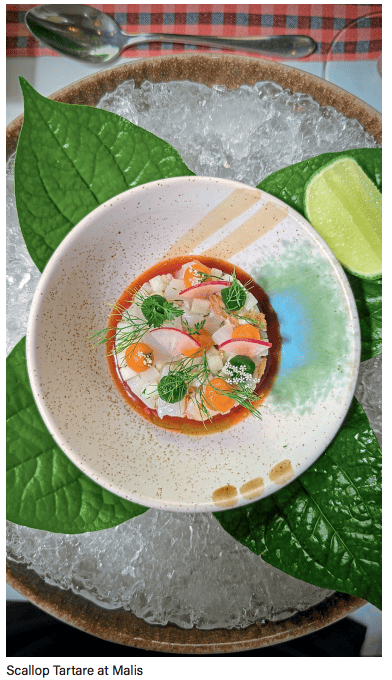
We also took the opportunity to savour a truly superb lunch one day at Malis Siem Reap, a short stroll from the hotel. With its grand façade and impressive interiors, our expectations were admittedly quite high for this highly regarded restaurant, which is part of the Thalias Hospitality Group with numerous outlets in both Siem Reap and Phnom Penh. We were not only served an exceptional meal, we were charmed and delighted by Executive Chef Sopheak Sao, who has garnered plenty of acclaim for his outstanding culinary work at Malis. We had a straightforward four-course tasting menu that left us deeply impressed, as much by the stunning presentations as by the delectable cuisine. Without giving too much away, let’s just cut to the chase: we highly recommend booking a table at this restaurant – whether for lunch or dinner – to savour Chef Sopheak’s take on elevated Khmer cuisine. You won’t regret it.
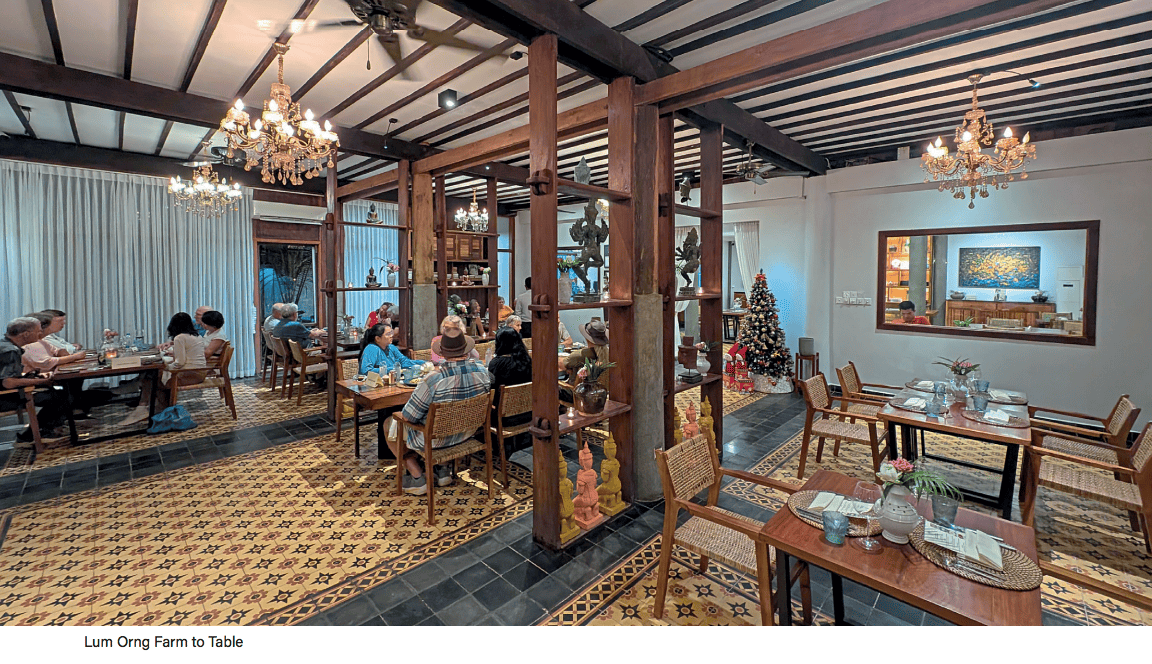
On another night, we hailed a tuk-tuk and headed a bit out of town to one of the area’s most acclaimed restaurants, Lum Orng Farm to Table. An exquisitely rural gem, Lum Orng (which means “pollen” in Khmer, evoking themes of growth and regeneration) has become one of the clearest expressions of Cambodia’s contemporary culinary direction – both grounded in heritage and shaped by place. Opened in 2019 by chef Sothea Seng, the restaurant is widely regarded as the country’s first true farm-to-table dining destination, built around a commitment to seasonal produce, local sourcing, and a respect for Khmer food traditions.
Chef Seng was already an established figure on the local dining scene before Lum Orng opened, but this project marked a more personal chapter. Raised on a vegetable farm in Kampong Cham, he began cooking for his family as a child, learning to adapt to what the land could provide. That early experience continues to shape Lum Orng’s philosophy, where ingredients are drawn from the restaurant’s own gardens and partner farms around Siem Reap.
The dining experience centres on a choice of seven-course tasting menus, including a vegan option, all designed to be shared. We certainly found the food to be first-rate, but we loved the homestyle atmosphere of the restaurant, too. Set within a spacious wooden structure surrounded by lush greenery and water features, Lum Orng offers a calm, rural counterpoint to Siem Reap’s busier dining quarters.
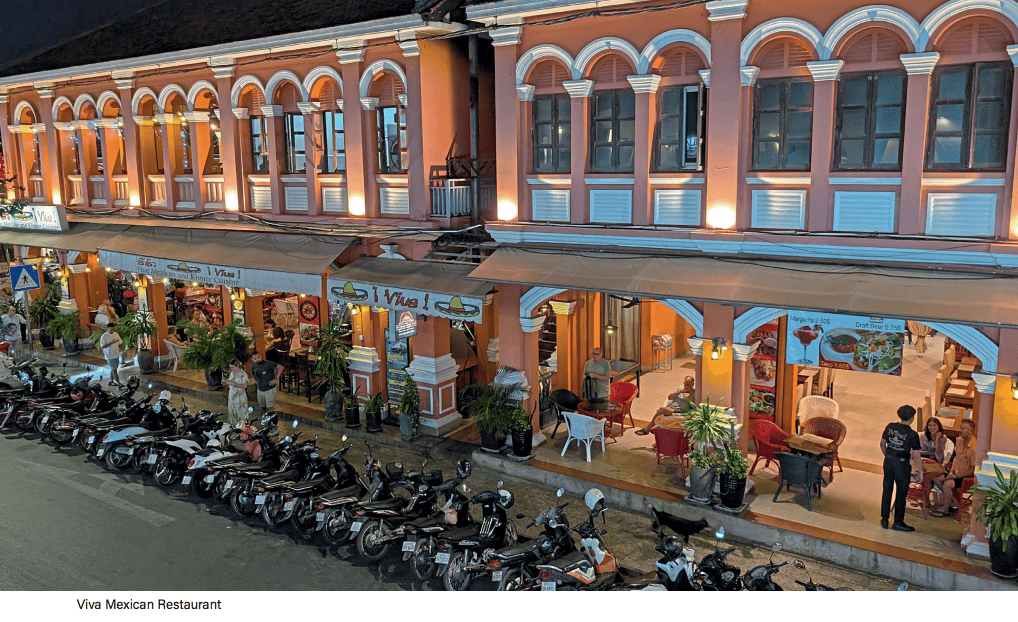
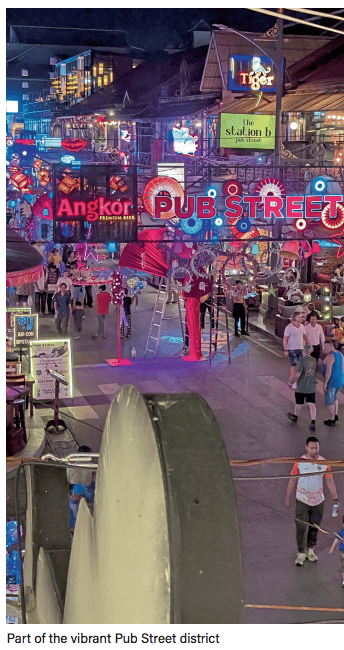
Back in town, we repeatedly found ourselves at Viva, a popular restaurant with two outlets within a stone’s throw of each other in the Pub Street district, serving up consistently respectable Mexican fare and plenty of Khmer options, too. We loved popping in almost daily for happy hour tacos and icecold draught beers.
For a more refined drinking experience, we headed to the nearby Infusion Bar, which has earned a quiet reputation as one of Siem Reap’s most thoughtful cocktail destinations, offering a distinctly Cambodian take on modern mixology. Tucked away right by the river – only a short stroll but a world away from the busy Pub Street district – the bar focuses on handcrafted drinks built around local ingredients, housemade infusions, and regional flavour profiles.
The concept centres on drawing inspiration from Khmer culinary traditions, with cocktails incorporating herbs, spices, fruits, and botanicals familiar to Cambodian kitchens. Lemongrass, kaffir lime leaf, palm sugar, kampot pepper, and tropical fruits appear regularly, handled with restraint and balance from the talented mixologist who took care of us. Spirits are often infused in-house, giving the drinks a layered character that we appreciated, and on the whole, we not only found the drinks outstanding, but also thoroughly enjoyed just relaxing and soaking up the ambiance here.
We also randomly stumbled across a most enjoyable place called Café Indochine for dinner one night, drawn in by its appealing façade, traditional wooden Khmer architecture, and warm interior lighting that caught our eyes as we were walking by on Sivatha Street. Unable to resist, we wandered in and took a table. The ambiance was super inviting, evoking the feeling of being in someone’s home. The service was gracious and efficient, and though we didn’t eat a huge meal, the dishes we got were all outstanding, with the standouts being a Khmer chicken and coconut cream soup called Machou Ktis and – always a favourite – a delicious beef fillet Lok Lak. Prices were quite reasonable, and the variety of authentic local cuisine on the menu was superb, including a nice range of vegetarian options, too. We’d go back here in a heartbeat!
With its well-developed tourism infrastructure, Siem Reap is a fully engaging travel destination. Of course, Angkor Wat is the big draw, but a very complete vacation can be had here whether or not you visit the world-famous site. For us, every trip reveals a new side of the town, from dining to spas to shopping and much more. This trip saw us engaging with the locals and visiting lesser-known parts of Cambodia just outside of Siem Reap, and what a rewarding experience that was. We enjoyed the comfort and hospitality of Shinta Mani Angkor and very much appreciated that staying here helps to support the worthwhile work of their foundation, which truly does great things for the Cambodian people. We were privileged to get to see some of this work first-hand, and to enjoy the myriad dining options and other tourist pursuits. We look forward to another return visit to one of Southeast Asia’s most charming cities.