As my plane landed at Toulouse Airport in southeast France, I noticed aircraft from numerous global airlines that I did not expect to see at what I assumed was a secondary airport. Why were planes from Singapore Airlines and others sitting on the tarmac, far from France’s main international air gateway in Paris? It soon became clear that Toulouse is the headquarters of Airbus, and these planes were not delivering GOLF TRAVEL passengers but rather new aircraft awaiting handover to airlines from around the world.
France’s fourth-largest city had been on my list for some time, particularly after Lonely Planet named Toulouse the city to visit in 2025. Although I arrived well into the year, the timing proved ideal, allowing me to combine sightseeing with a round of golf at a course situated just minutes from the airport.
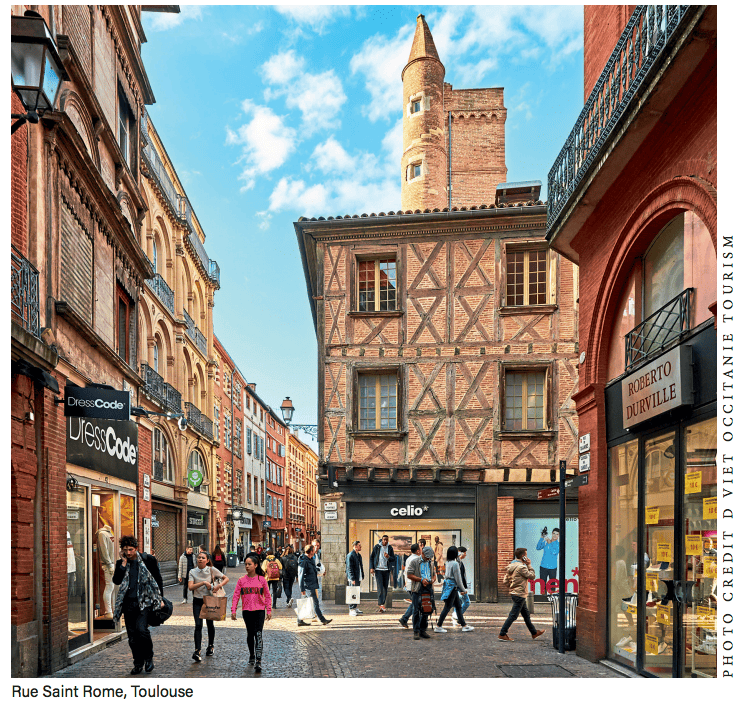
Toulouse is often referred to as La Ville Rose, or the Pink City, due to the widespread use of pink and red brick in its buildings, and many of these are well worth visiting.
EXCLUSIVE GOLF COURSE
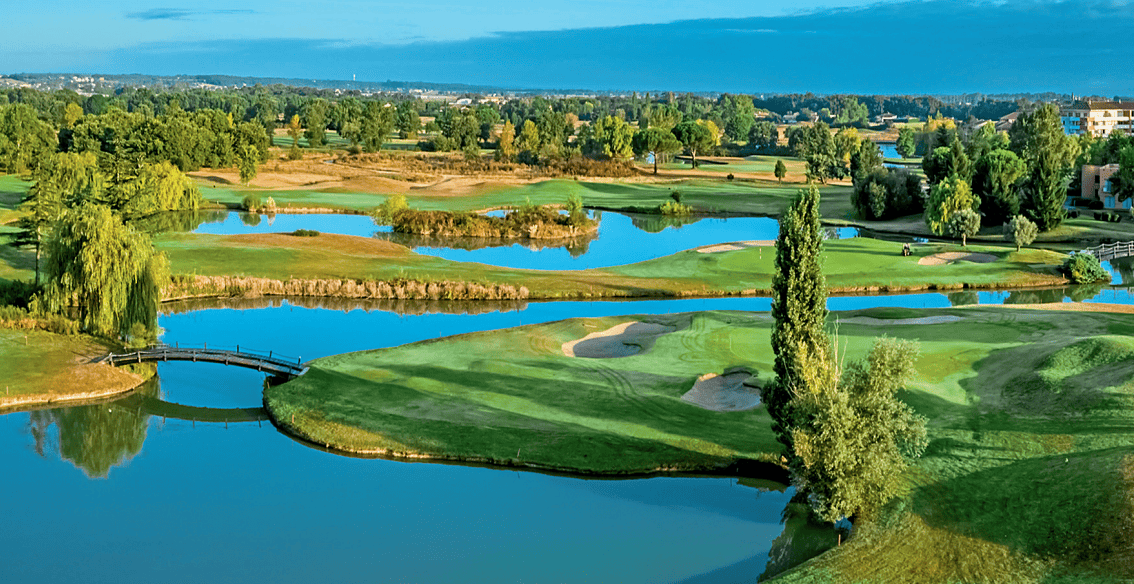
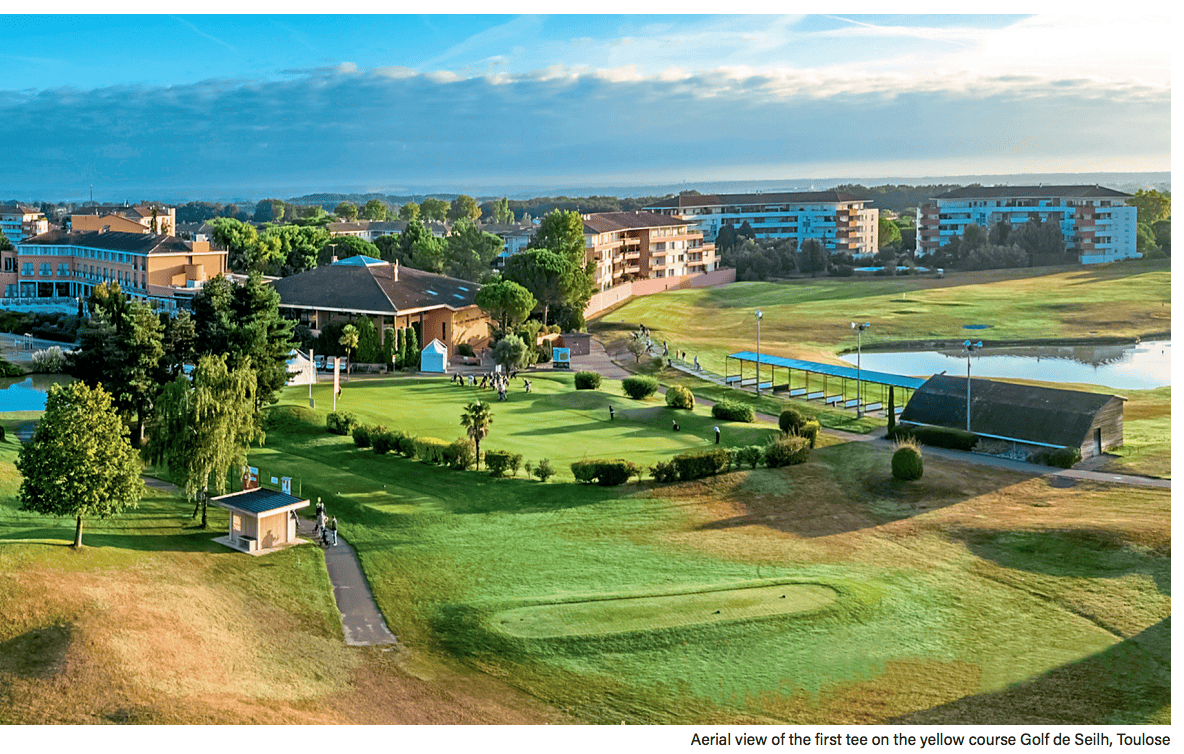
Located north of Toulouse Blagnac Airport, Exclusiv Golf de Toulouse Seilh is one of France’s largest golf facilities. Covering approximately 140 hectares, the complex features 36 holes, extensive practice facilities and direct access to an on-site Mercure hotel, to make it a practical base for both leisure and business travellers.
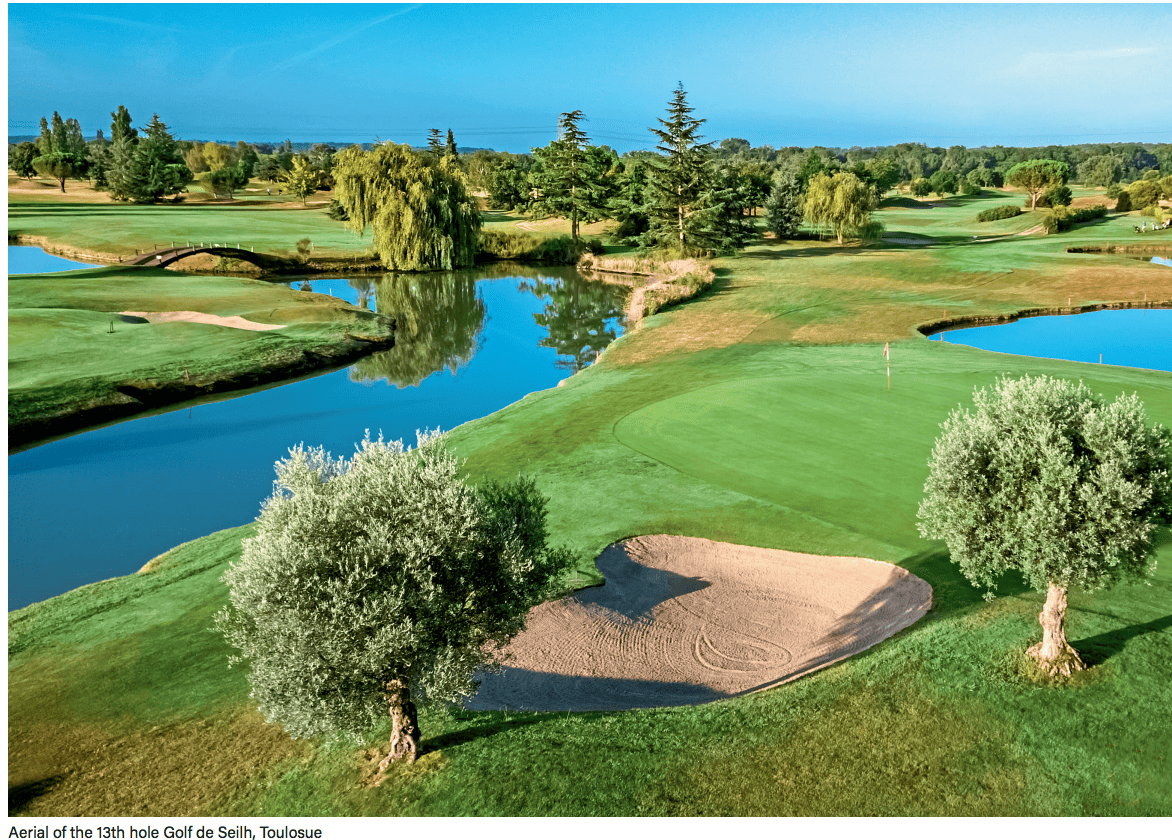
The golf complex was designed in 1988 by French professionals Jean Garraïalde and Jérémy Pern. Their design brief was to create a venue that challenged low-handicap players while remaining accessible to golfers of all calibre. The result is two contrasting layouts, the Red Course and the Yellow Course.
The championship Red Course is a par 72 layout measuring approximately 6,300 m from the back tees. Although predominantly flat, the course is well protected by water hazards, extensive bunkering and mature trees along numerous fairways. Accuracy from the tee is important throughout any round here.
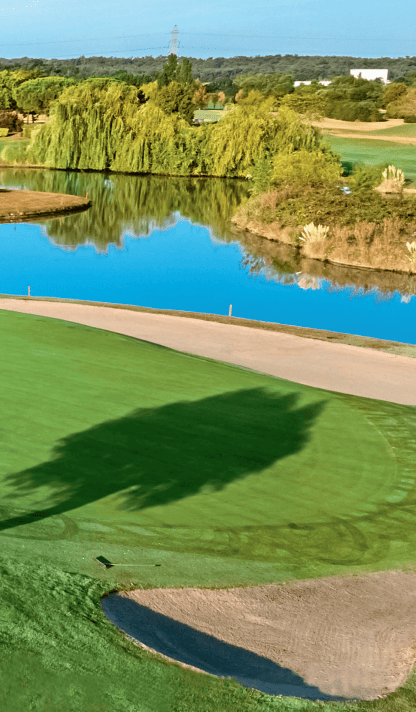
The Red Course winds through a mix of open parkland, scattered woodland and strategic water hazards that demand both attention and careful thought from the opening tee. The opening hole is a welcoming yet demanding, par-four that quickly funnels approach shots towards a raised green guarded by water on the left. This hole sets the tone for a course where precision counts as much as power.
Another noteworthy hole is the par-four ninth, that blends visual beauty with strategic placement. Water comes into play early on the hole, and a well-positioned drive is essential to avoid trouble. The second shot must thread the line between aggression and caution, rewarding accuracy with the opportunity for a birdie while punishing overly exuberant shots.
Nothing defines golf at Seilh quite like the par-five 17th, widely regarded as its signature hole and the most memorable test of the course’s layout. Golfers need to play with caution as the hole supposedly has the most bunkers of any hole in Europe. The tee shot on this par four plays over open grass toward a fairway flanked by bunkers, but it is the second and third shots that matter most. The fairway narrows as it approaches a green well-guarded by an expanse of bunkers; each one positioned to trap errant approaches or misread club distances. Even the most confident golfer appreciates that attaining par here is but a small victory; while a birdie is the stuff of dreams. Long hitters may want strive for an eagle with their strategically placed second shot.
The Yellow Course offers a shorter but more technical test of the game. Playing to a par 64 and measuring just 4,170 m, this course places emphasis on accuracy and course management rather than power hitting. Narrow fairways and smaller greens reward controlled play and make it a popular option for those seeking a quick game.
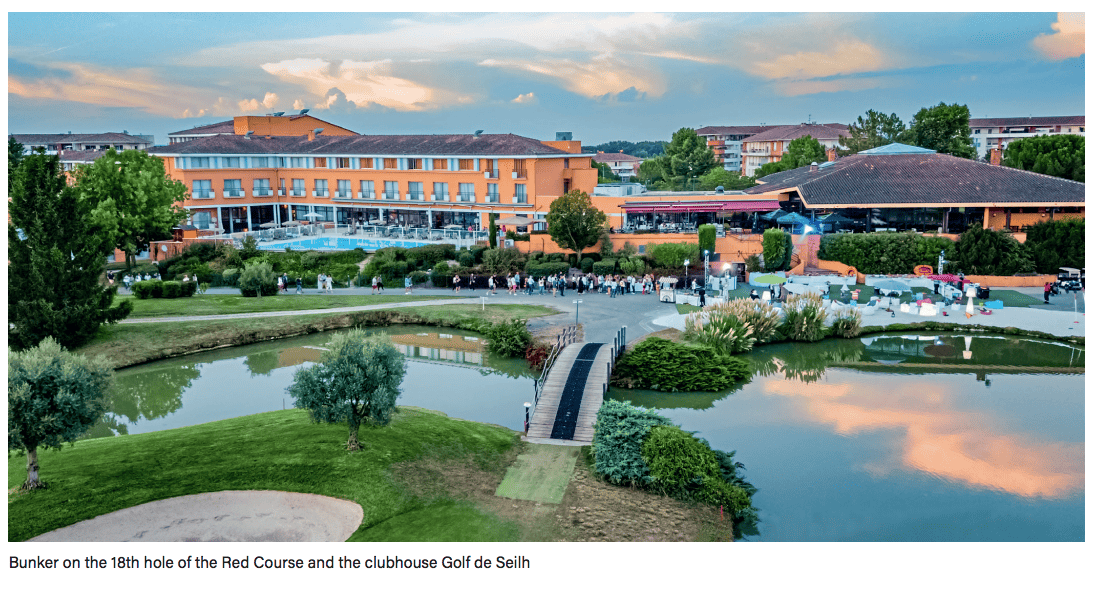
The Seilh club has extensive practice facilities, including a large driving range, putting greens and short-game areas. These support both personalized coaching and group training, reinforcing the venue’s reputation as a professional golf centre as well as a resort destination.
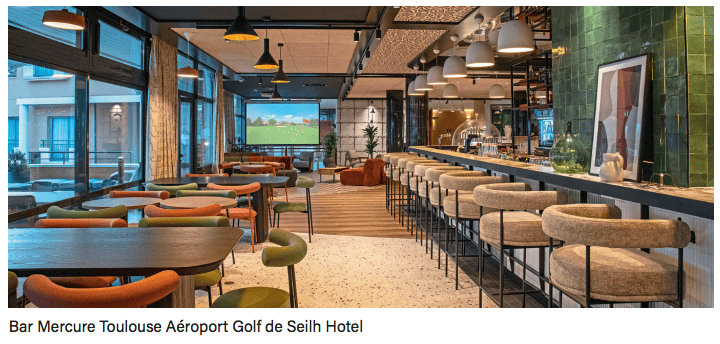
Adjacent to the course, the Mercure Toulouse Aéroport Golf de Seilh is a four-star hotel providing 172 rooms, with many overlooking the course. Facilities include an outdoor swimming pool, fitness centre, meeting rooms and a restaurant serving regional French cuisine. Its proximity to the airport and the city centre makes it ideal for golf holidays, corporate events, and longer vacations.
Exclusiv Golf de Toulouse Seilh combines scale, accessibility, and thoughtful design, while delivering a complete golf and accommodation experience in southern France.
MINI PARIS
Often referred to as Paris in miniature, Toulouse is the capital of the Occitanie region with a maze-like historic centre filled with religious landmarks, art galleries, restaurants, and bars. It is set along a scenic stretch of the Garonne River and several adjoining tree-lined canals.
Toulouse is also a major centre for the aerospace industry that is best celebrated at the interactive Cité de l’espace. This interactive discovery centre provides an insight to France’s contribution to aviation and space exploration.
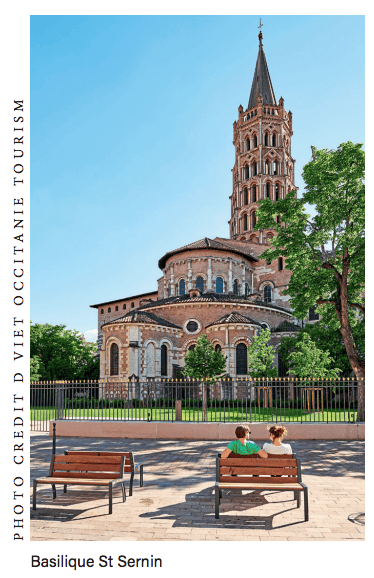
Exploring central Toulouse with its laneways, discrete parks, and pedestrian-friendly squares such as Place du Capitole, lined with cafés and restaurants, is certainly recommended. The Basilica of Saint-Sernin, the world’s largest Romanesque building, reaches skyward with its 64-m-high bell tower. This UNESCO World Heritage Site has long been a stop for those venturing along the Camino de Santiago pilgrimage trail.
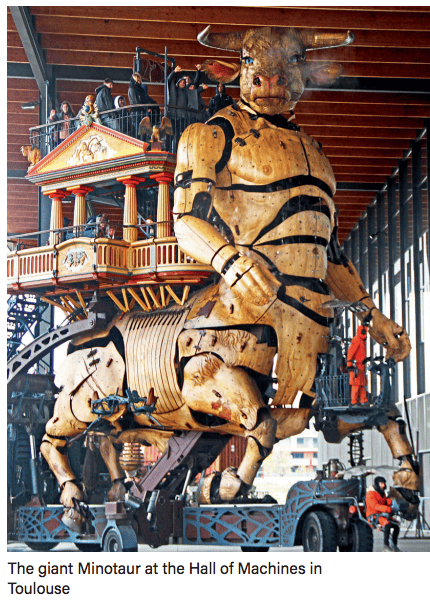
The Halle de La Machine showcases large-scale mechanical creations built by a collective of creative genius known as La Machine. Highlights here include Asterion the Minotaur, a 14-m-high mechanical creature that moves around the venue carrying passengers. Ariane, the giant mechanical spider, provides another source of fascination.
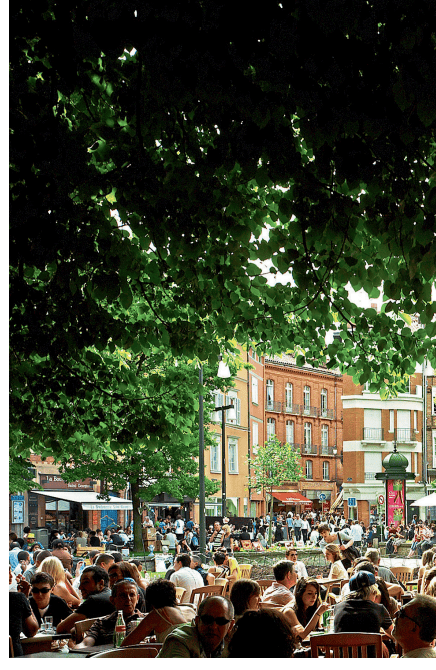
Spreading along both sides of the Garonne River, Toulouse is mostly flat and easy to explore on foot or by via the rail metro. Urban parks are valued as they serve as venues for recreation, dining, and catching up with friends. Jardin Pierre Goudouli, near the Novotel Toulouse Centre Wilson, is an excellent place to enjoy a drink while watching the world pass by.
The eastern side of the river features numerous historic alleyways. Toulouse is mostly flat and I found it easy to navigate the city on foot and I enjoyed wandering around the city centre to admire landmark buildings such as the Church of Notre-Dame du Taur.
DINING DESTINATION
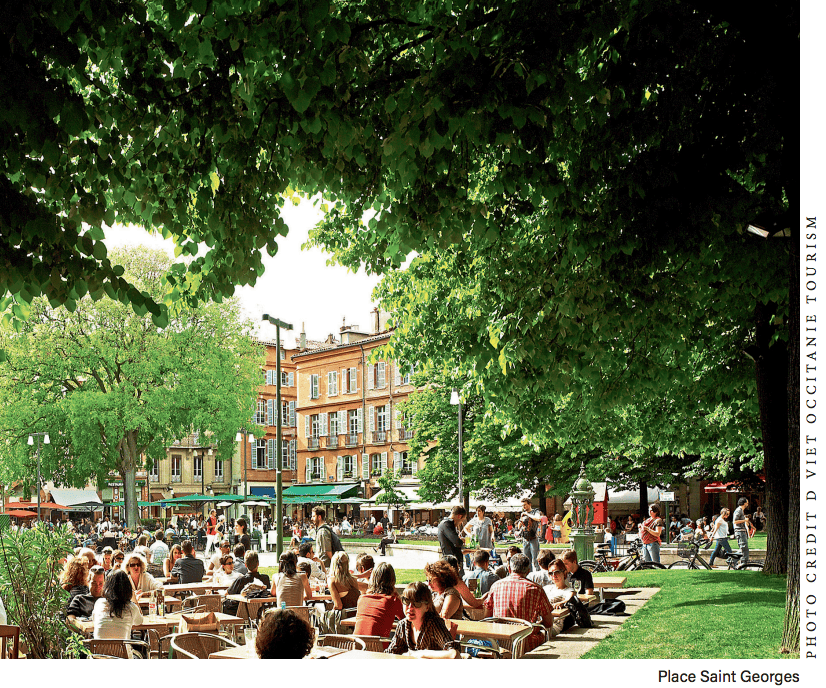
Food plays a central role in appreciating the tourism assets of Toulouse. In summer, diners make the most of outdoor settings, where good food and affordable wines from Languedoc create a welcoming atmosphere. A great place to dine in the city centre is Le Bon Vivre Restaurant, located on the tree-lined Place du Président Thomas Wilson. Place Saint Georges is another popular summer catch-up venue.
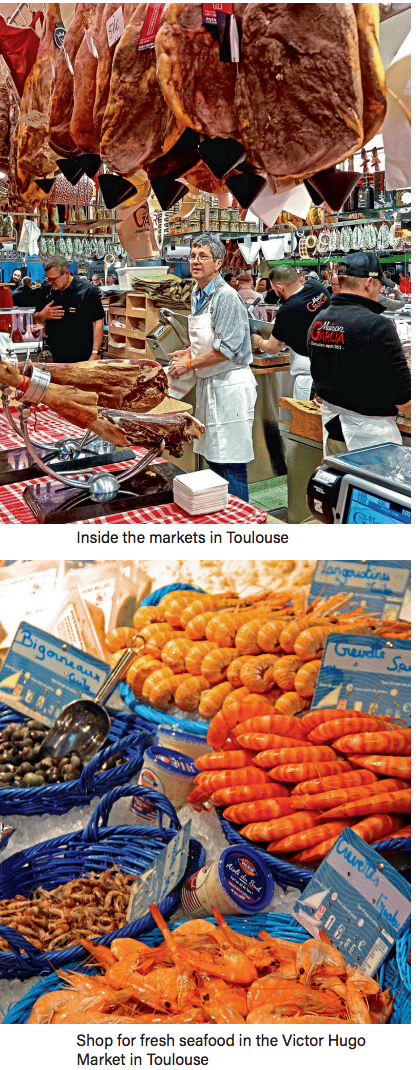
Marché Victor-Hugo, just off Boulevard de Strasbourg, is a highlight for food lovers. Fresh regional produce fills the market, with stalls extending onto the surrounding footpaths. The market was renovated several years ago and is a one-stop venue for fresh produce including cheeses, seafood, pastries, breads, fruits, vegetables, and wines from the region.
Restaurants such as J’Go, directly opposite the market entrance, source many ingredients from stallholders in the market. Toulouse’s signature dish, cassoulet, is a rich stew of white beans, duck confit, and local sausage. However, be warned: portion sizes are substantial, and one dish can readily be shared by two diners.
BEYOND TOULOUSE
Toulouse is located on the Garonne River where it meets the Canal du Midi. This strategic 240-km waterway links Toulouse to the Mediterranean Sea near Narbonne. It was built by hand between 1666 and 1681 to facilitate regional trade. Now recognised by UNESCO, it averages 20 m in width and just two metres in depth. Small boats still travel along the canal via a series of locks, and adventurous visitors can explore the region on self-navigated boats or hotel barges.
Toulouse is also within easy access of the Pyrenees, the vineyards of Languedoc, the Spanish border, and Andorra. Rail connections are good, with links to Paris, Spain, and the Mediterranean Sea.
TRAVEL FILE
Getting There and About
The most convenient connection to Toulouse Blagnac Airport is on KLM (klm.com.my) direct from Kuala Lumpur and via Amsterdam. KLM Premium Economy provides added comfort on this journey. A metro line connects the airport to the city centre, while the rail network is a good way to explore Toulouse and southern France. Rail services are operated by SNCF (sncf-connect.com), with high-speed TGV connections to major French and European cities. Regional rail transport is managed by liO (visitoccitanie.com/en/rail-tour). The Occitanie Rail Tour Pass offers unlimited travel from two to six consecutive days.
Where to Stay
Novotel Toulouse
Centre Wilson (novoteltoulousecentrewilson. com-hotel.com) is centrally located in the city within walking distance of JeanJaurès Metro Station and Galeries Lafayette for those who enjoy premium shopping. Mercure Toulouse Aéroport Golf de Seilh (allaccor.com) adjoins the golf course.
Contacts
Destination Occitanie (visitoccitanie.com) and Toulouse Tourism (toulouse-tourisme. com).