Better ball striking and increased consistency on the course are realistic ambitions for every amateur golfer. The secret lies in what you do with your feet!”
Most golfers spend endless hours working on their grip, takeaway or release. While that isn’t wrong, very few pay attention to the only thing connecting them to the ground throughout the swing: their feet
The golf swing works from the ground up. The best players in the world are not just swinging the club beautifully; they are using the ground incredibly well.
Through something called ground reaction forces, elite golfers create clubhead speed, stability and consistency by applying pressure into the ground in very specific ways.
Ground reaction forces may sound technical, but the idea is actually very simple. The harder and more efficiently you push into the ground, the more energy the ground gives back.
For most golfers, improving how the feet work during the swing can completely transform the quality of their movement and ball striking.
So, to help you lower your handicap in 2026, here are three things every golfer should do with their feet to improve their golf swing.
1. LOAD INTO THE INSIDE OF THE TRAIL FOOT
One of the biggest mistakes amateurs make during the backswing is swaying too far away from the target.
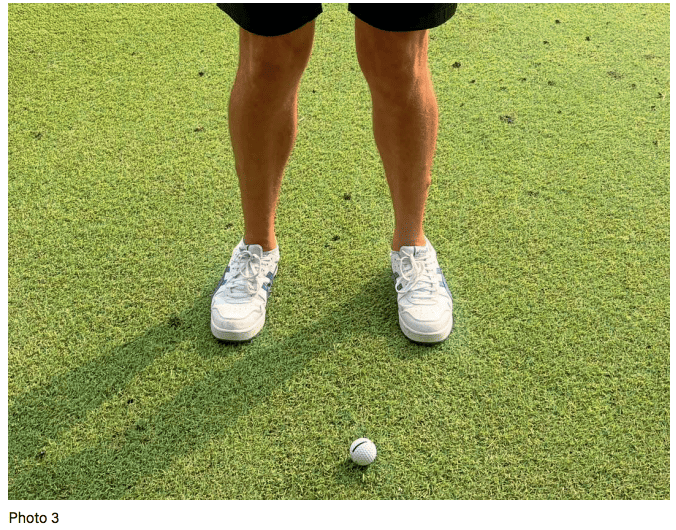
Instead of loading pressure correctly into the trail foot, the body drifts laterally, which immediately reduces stability. Good players do the opposite (Photos 1 and 2).
During the backswing, pressure should move into the inside of the trail foot.
For a right-handed golfer, that means loading into the inside of the right foot rather than rolling onto the outside edge. This creates resistance and allows the body to coil much more efficiently.
A great feeling is to imagine gently screwing the trail foot into the ground during the backswing. The direction of pressure should feel as though it is moving towards roughly 4.30pm on a clock face.

If you were to swing a golf club on ice (not recommended), your back foot would slip out behind you. Friction from the ground prevents this from happening.
Doing this correctly helps you stay more centred, maintain balance and store energy without excessive movement.
When pressure moves to the outside of the trail foot, golfers often lose posture, struggle with sequencing and find consistent contact much harder.
2. SHIFT PRESSURE INTO THE LEAD FOOT EARLY
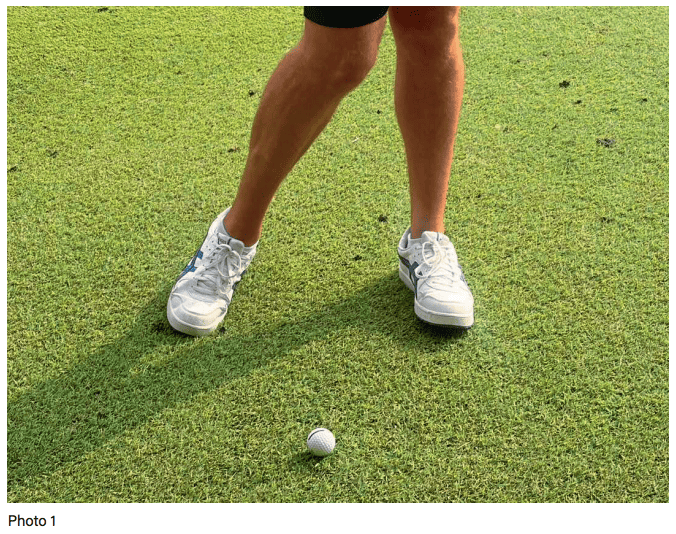
One of the most interesting findings from force plate research is how early elite golfers begin shifting pressure back towards the target (Photo 3).
Most amateurs stay on their trail side for far too long. Great players begin moving pressure into the lead foot before the backswing has even finished.
Importantly, this is pressure movement rather than a huge body slide. The upper body may still appear to be completing the backswing, but underneath, the pressure is already moving forwards
For a right-handed golfer, pressure should begin building into the ball of the lead foot, especially underneath the big toe and second toe area.
This early pressure shift is critical for sequencing the downswing properly. It helps golfers control the low point, improve strike quality and create more clubhead speed without feeling like they are swinging harder.
Golfers who hang back on the trail foot often struggle with thin strikes, blocks and inconsistent contact because the body never gets organised properly through impact.
3. PUSH IN OPPOSITE DIRECTIONS TO CREATE ROTATION
Ground reaction forces are not just about pushing hard into the ground; they are about pushing in the correct direction.
As pressure shifts into the lead side, the lead foot should feel like it is pushing into the ground towards roughly 10.30am on a clock face, while the trail foot is resisting towards 4.30pm. This creates what is known as a force couple.
Those opposing forces help rotate the pelvis and torso powerfully through the ball.
A simple way to picture it is to imagine two rugby players standing on either side of you, both pushing in opposite directions to rotate your body.
That is effectively what the ground is helping great players do during the swing.
This is why long hitters often appear athletic and explosive through impact. They are not simply swinging harder; they are using the ground far more efficiently.
The golf swing lasts around 1.25 seconds, with the downswing taking roughly 0.24 seconds, so there is very little time to organise movement.
Golfers who improve how they load, shift and push through their feet can create more speed, better strikes and a swing that feels far more natural.
Often, the biggest improvements in golf do not start with the hands— they start with the feet.