With the current state of global geopolitics, short-haul golfing holidays will be with us for some time to come. Few will complain, as there are many regional distractions for golfers, although we can undoubtedly expect airfares to rise.
Ho Chi Minh City (HCMC, and still often called Saigon by many), Vietnam’s largest city, has a dozen or so golf courses on which to play. As the urban fringes expand, moving around becomes more complicated, so the fact that the Vietnam Golf and Country Club is one of the closest to the city centre (20 km away, or 30 km from the airport) makes it the one that many visitors choose to play.
The club is Vietnam’s first 36-hole golf course and is widely regarded as the nation’s premier golf and country club. Two challenging 18- hole layouts were crafted through 300 hectares of semi-rural land mostly covered in woodlands.
Accessibility is not the club’s only redeeming quality, as it also features meticulous maintenance, excellent clubhouse facilities and some of the region’s friendliest caddies. When you also factor in the vibrancy of the city centre, the nightlife, the valuefor-money dining, and the proximity to Malaysia, it’s easy to see why Vietnam is now one of the region’s hottest tourism propositions.
PLAYING THE WEST COURSE
The West Course of 7,106 yards was designed by Taiwanese architect Chen King Shih and opened in late 1994. Soon after, the par-72 championship course hosted the Vietnam Open in 2008 and the Hana Bank Open in 2019.
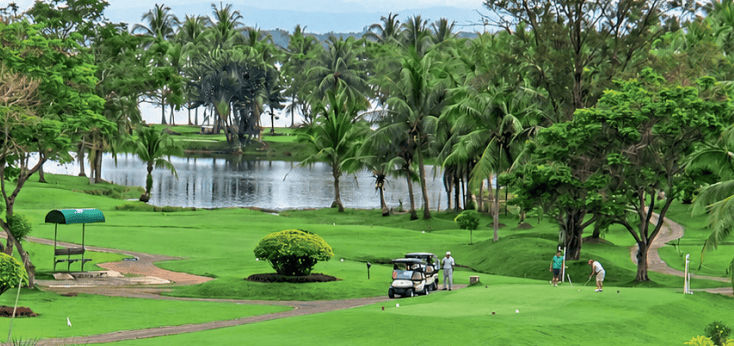
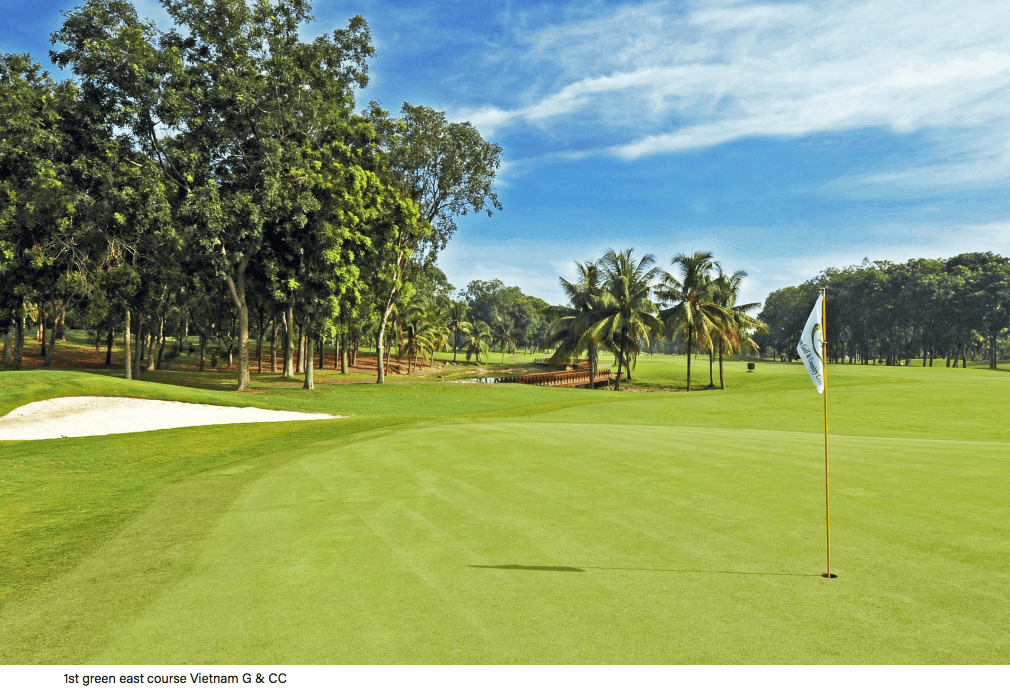
The course offers demanding tee shots and tree-lined fairways that flow onto lightly contoured Bermuda TifEagle greens. Keen golfers could tee off early to play the West Course in the morning and possibly the East Course after lunch. The narrow fairways on the par-72 championship course call for accuracy from the tees to ensure the best lie for approach shots to the greens. While the fairways and greens are relatively flat, accuracy is important, as errant shots will lead to frustration. This is a walking course, but the shaded fairways make the game most pleasant.
One of the finest holes is the 408- yard eleventh. This par four, with a dogleg to the left, requires a tee shot over trees on the left to have sight of the green. A large tree in the centre of the fairway and bunkers on both sides of the green come into play on the second shot. The slightly elevated green is shallow and wide, so an approach shot requires some spin on it to stay on the green.
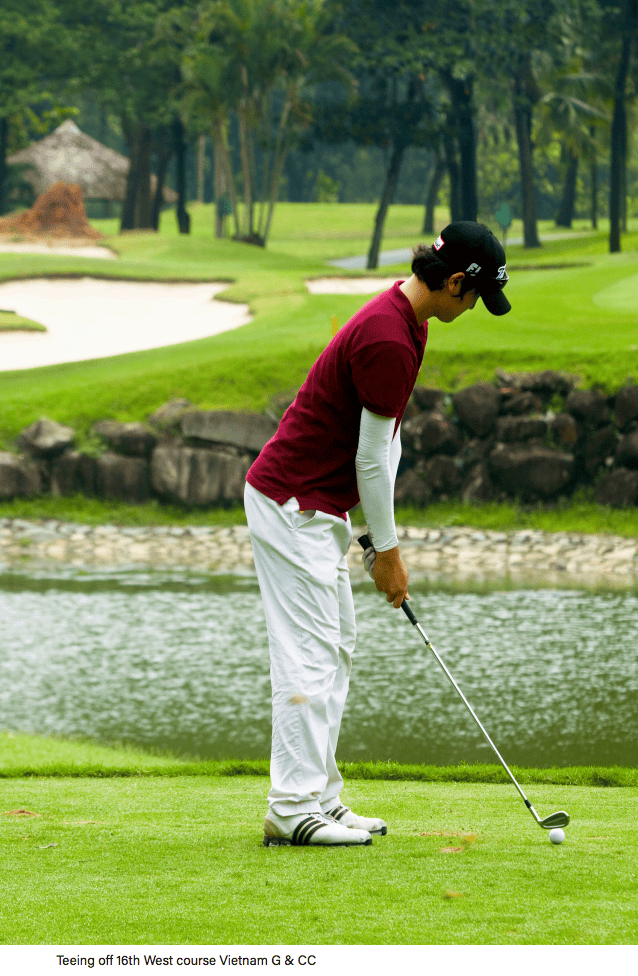
The signature hole on this layout is the par-three 16th, which is just a 160-yard hole across a lake that supports a sprouting fountain and is lined with imposing palms. The blue tee (146 yards) is the best to tee off from, and ball placement on the fairway is important. It is best to use a putting wedge to get your ball into the centre of the green. Short drives from the fairway will end up in the water, while longer ones could require strokes to putt out. An undulating green does not make putting any easier, and bunkers on the right and left add to the hole’s complexity.
PLAYING THE EAST COURSE
The 6,946-yard-long East Course is considered more difficult than he West Course. Designed by Lee Trevino (six-time Major Champion Winner) and opened in 1997, the East Course offers more generous fairways than the West Course. However, it is still challenging with over 100 well-positioned bunkers and water hazards in addition to undulating, fast-rolling greens. Six ponds on eight holes add to the challenge. There are fewer trees than on the West Course, making it noticeably more open and more demanding, especially for lowhandicap golfers. Golfers have the option of choosing to play the course with the aid of a buggy.
The layout requires more thought than brawn, as its demanding greens can be the undoing of many who are new to the course. Golfers must play smart and get a good lie for their approach shot. Once on the green, a golfer’s putting skills will be carefully tested due to the sloping undulations.
One of the liveliest holes to play is the par-four, 399-yard-long eleventh, which has two fairways with a dam located between the two. The left-hand fairway is harder to play, as it features a dogleg to the right. There is little room for error due to the adjoining housing estate that backs onto the fairway. The right-hand fairway has a dogleg left around the dam and is more forgiving. Both are best played with a driver followed by a nine-iron onto the green.
COUNTRY CLUB AMBIANCE
The complex opened in 1994 with mostly Japanese, Korean, and a few local members. As a sign of the country’s increasing economic development, half of the membership now comprises Vietnamese golfers.
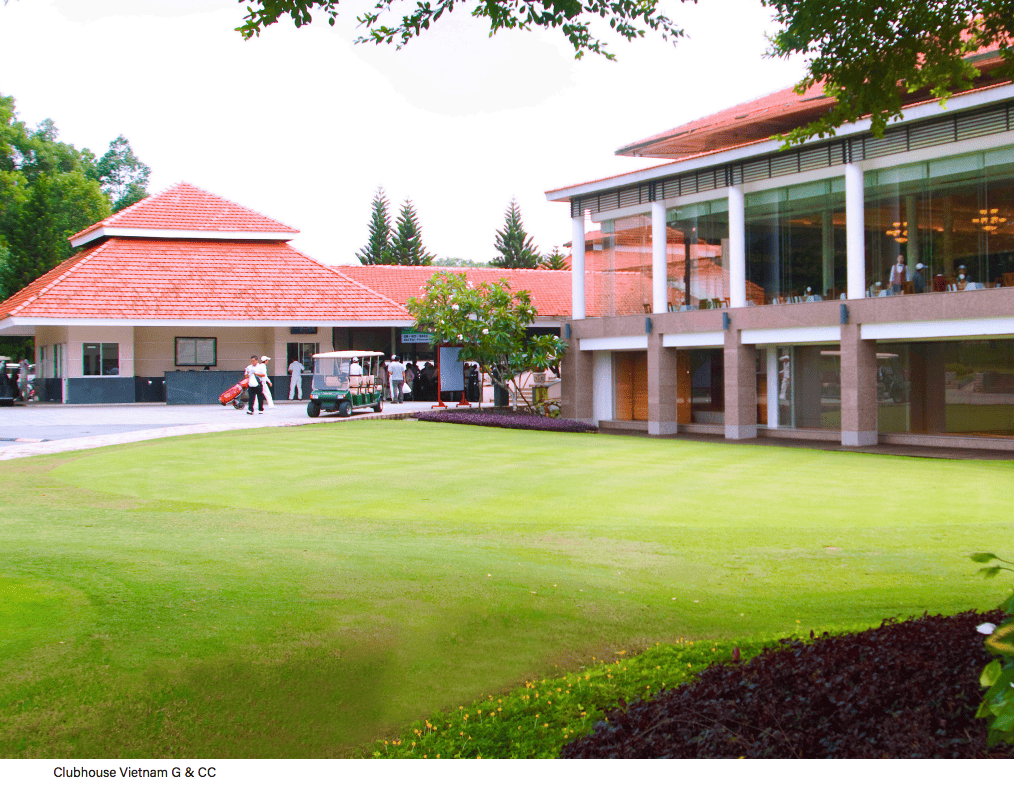
The clubhouse has a cosy atmosphere and two restaurants overlooking the West Course. The main restaurant offers a wide range of beverages and Vietnamese, Asian, and Western dishes. The smaller downstairs restaurant is an ideal venue to share thoughts on the day’s play with fellow golfers. Golfers can rehydrate at several kiosks located along the course. The locker rooms feature a Turkish steam room and a Finnish sauna, while golfers also have access to a driving range.
The adjoining housing estate appeals to expatriate workers and their families, and after spending some time in the city centre, it is easy to appreciate how appealing the serene country lifestyle is here, especially with facilities such as a gym, a pool, and tennis courts.
CITY SIGHTS
HCMC sights and attractions are bonuses for golfers, and I am never disappointed with what the city offers. I began my short holiday in HCMC by visiting many of the iconic landmarks, beginning with the Independence Palace (or Reunification Palace), which offers a fascinating insight into Vietnam’s turbulent past. The taking of the palace by North Vietnamese troops in April 1975 marked the end of the civil war that had devastated the country. Its furnishings and architecture are well preserved, with informative displays in English.
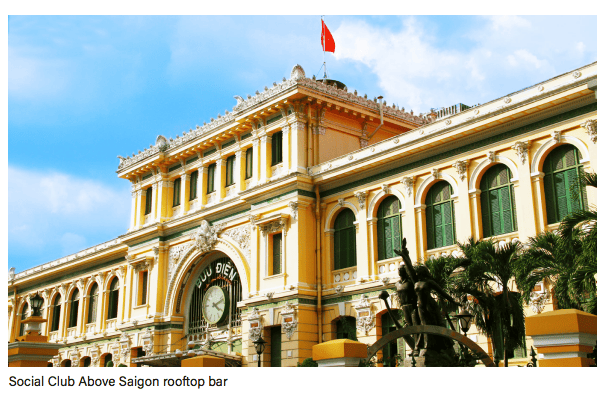
Nearby, the Notre Dame Cathedral and Central Post Office are the city’s finest examples of French colonial architecture. The post office still offers postal and communications services, but most visitors seem more interested in admiring the grand exterior and interior than transacting business.
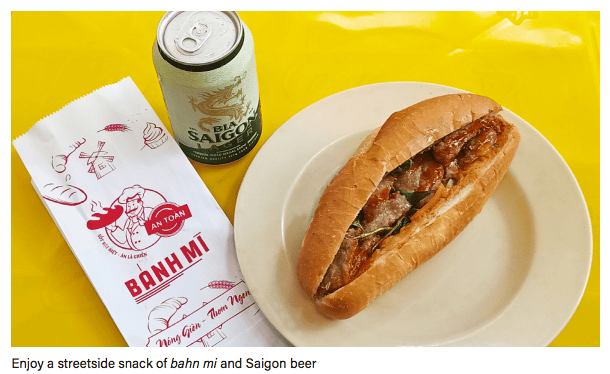
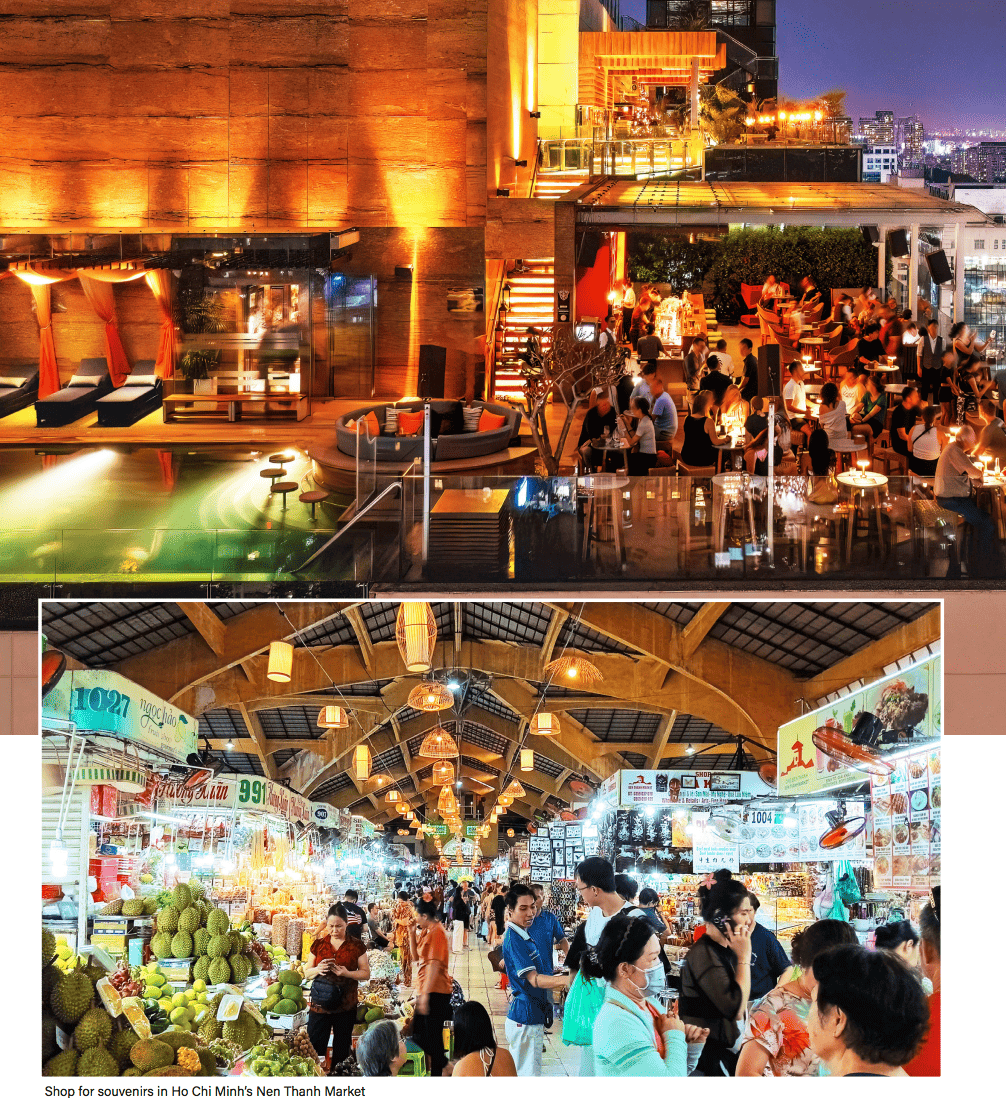
Another street I enjoyed exploring was Ho Thi Ky Flower and Food Street. The Vietnamese have a fine appreciation for flowers, and the market’s lively colours are a treat for photographers, although not everyone here appreciates being photographed. Ben Thanh Market is the main market and a venue that most visit. In addition to the inevitable souvenirs, food is also served here, including the classic banh mi and pho. Fresh tropical fruits like dragonfruit, jackfruit, strawberries, rambutan, and durian are available here and most other places in the city.
CENTRAL LOCATION
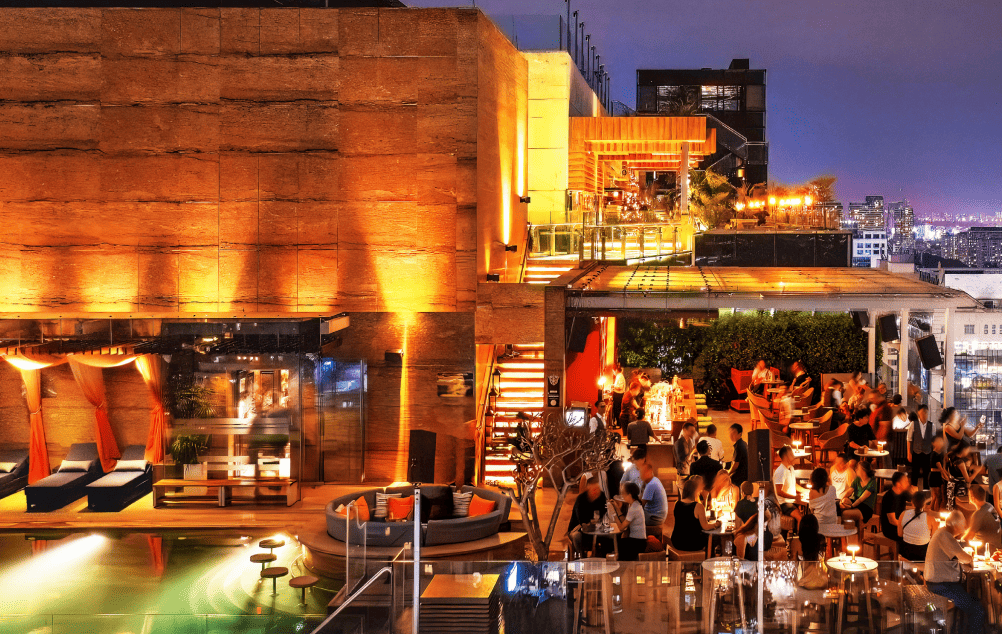
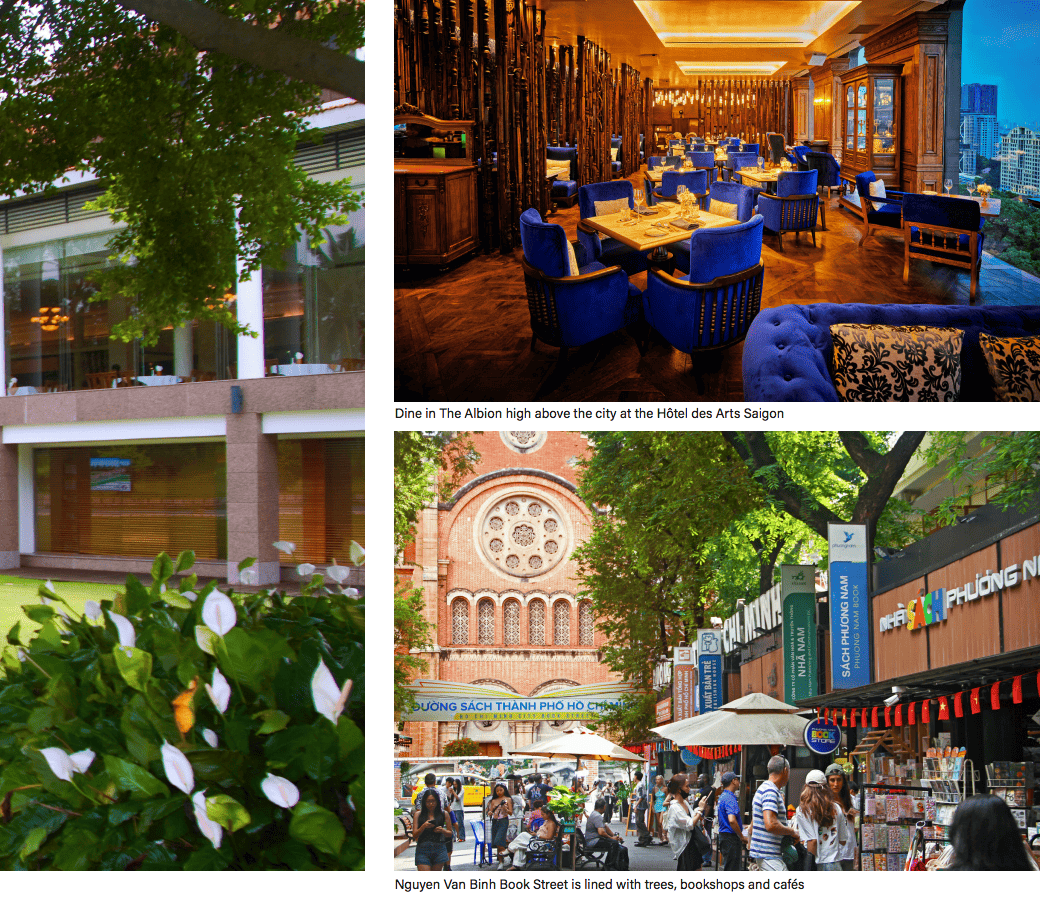
Location in this crowded city is important, especially for those who are only visiting for a few days. District 1 is the most central of all, with the luxurious Hôtel des Arts Saigon being my choice for its rooftop bar (Social Club) and fine dining (The Albion). This art-inspired hotel is a member of Accor’s MGallery portfolio, and my luxuriously appointed corner room had windows on two sides for peering over the ever-lively neighbourhood. For something more mid-range, the Novotel Saigon Centre (novotel-saigon-centre.com) is an excellent choice.
The Albion, located on the 23rd floor, is under the guidance of Kirk Westaway, a Michelinstarred chef from London who also operates the famous JAAN in Singapore. My dégustation dinner with wine pairings was an artful presentation of some classic British dishes. His traditional Eton Mess dessert, consisting of berries, meringue and whipped cream, was a contemporary and artful presentation of the boarding school classic.
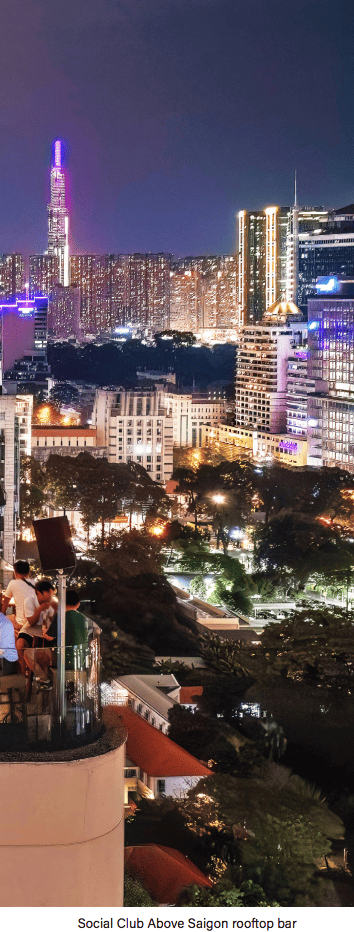
The hotel is also home to the Social Club Above Saigon on the 24th floor. Inspirational drinks and snacks are served, while the elevated views are some of the city’s finest. The rooftop infinity pool and sundeck adjoin the Social Club.
Ho Chi Minh City stands out for many reasons: it’s just a 90-minute flight away, offers reasonably priced accommodation, excellent value-for-money food, and many sightseeing opportunities. While technically a private club, visitors should be able to get a midweek flight booked at the Vietnam Golf and Country Club.
TRAVEL TIPS
Getting There
Ho Chi Minh City is well served by several Malaysian and Vietnamese airlines. Malaysians do not require a visa to enter Vietnam, but most other nationalities need to arrange this before their departure, although visas upon arrival are available.
Where to Stay
Hôtel Des Arts Saigon (hoteldesartssaigon.com).
Contact
Vietnam Golf and Country Club (vietnamgolfcc.com).