Austrian wines have travelled a long road over the past few decades. Their growing presence on discerning Malaysian wine lists confirms that they are also finding favour with wine lovers here. Austria has built its wine reputation through two indigenous grape varieties: Grüner Veltliner (white) and Blaufränkisch (red). Yet the country’s viticultural story runs far deeper. Around 40 grape varieties are cultivated across this landlocked Central European nation (26 whites and 14 reds), and the quality achieved today is consistently impressive.
For example, a recent international survey of the world’s top Sauvignon Blanc wines included four from Austria’s southern region of Styria (Steiermark), while any authoritative list of iconic sweet or dessert wines will feature several from Austria’s Neusiedlersee. Austria remains something of a hidden gem, but one that’s increasingly difficult to overlook.
Among Austria’s most compelling wine styles are its Rieslings. Widely regarded by critics as among the finest dry expressions of the grape variety, they nevertheless remain less consumed internationally than their German counterparts. Unlike Germany, where Riesling dominates vineyard plantings, Austrian Riesling accounts for only 4.5% of total vineyard area, limiting both production volume and global visibility.
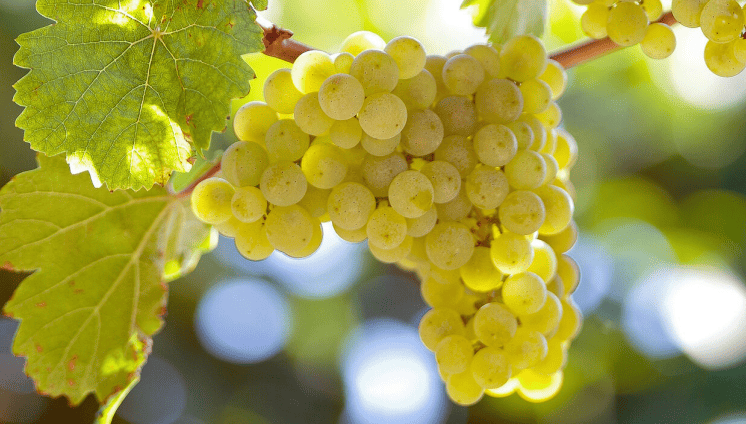
Consumer expectation also plays a role. Riesling is often associated with sweetness, whereas Austrian examples are predominantly dry, high in acidity and firmly mineral-driven. This stylistic misunderstanding can deter those wine lovers unfamiliar with the Austrian wine culture. Added to this is strong domestic competition from Grüner Veltliner, Austria’s flagship grape, which inevitably overshadows Riesling in both marketing and consumption.
Price can also be a barrier as Austrian Rieslings are rarely inexpensive. Low yields, labourintensive viticulture on steep vineyard sites, and a strong focus on terroir expression push prices above many entry-level German examples
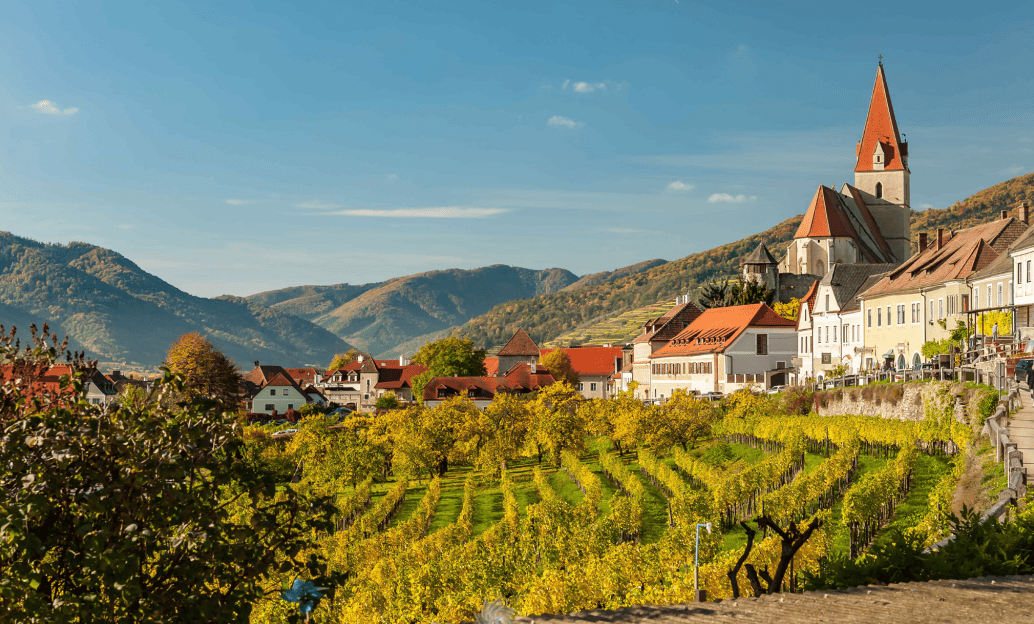
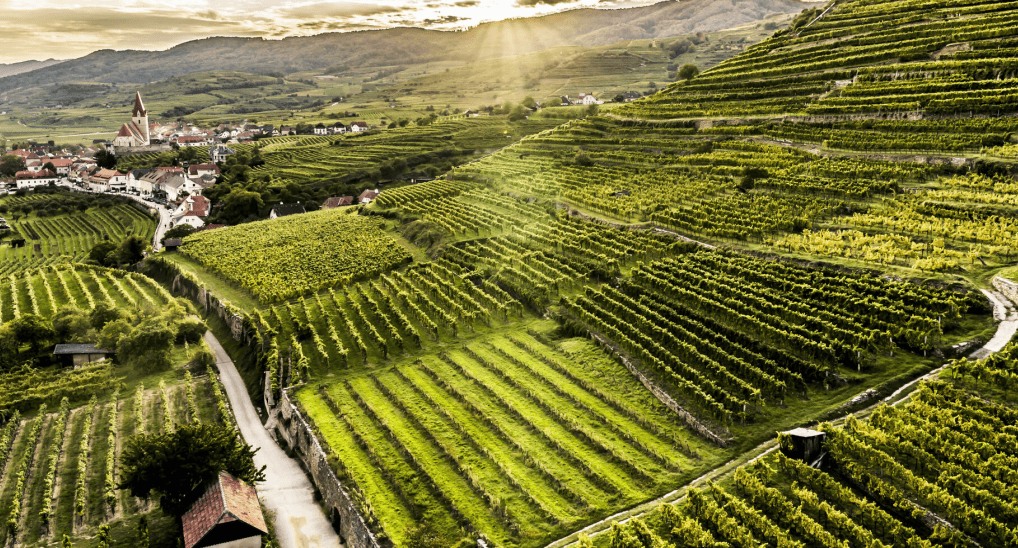
Despite these challenges, however, Austria produces some of the world’s most age-worthy dry Rieslings. The finest examples come from the Wachau, Kamptal, and Kremstal, with notable support from selected sites in the Weinviertel. Ancient bedrock and complex geological formations, such as gneiss, schist and granite rocks, impart precision and intensity. Wachau Rieslings, particularly those classified as Smaragd, are renowned for their concentration, structure, and longevity, while Kamptal and Kremstal tend towards slightly more aromatic styles marked by finesse and vibrant acidity.
A further obstacle for consumers is the complexity of Austrian wine labels. Yet anyone comfortable navigating wines such as Châteauneuf-du-Pape, Brunello di Montalcino, or Ribera del Duero should not be discouraged. A short glossary appears at the end of this article to help demystify some common Austrian wine terms.
While Cabernet Sauvignon is deservedly crowned the ‘king of wines, Riesling is its more than capable consort. In many quarters it is regarded as the pinnacle of white wine, the queen of wines: noble, versatile, and endlessly expressive.
Riesling appears in many guises, from the dry styles typical of Austria to the sweeter wines traditionally associated with Germany. In simple terms, fermentation converts grape sugar into alcohol through its reaction with natural yeasts. In Germany, fermentation is often halted early, usually by lowering the temperature, leaving residual sugar in the wine. A Mosel Kabinett Riesling, for example, typically contains 7 to 11% alcohol with residual sugar commonly in the range of 20–50 g/L, producing a delicately sweet, low-alcohol style.
In Austria, as well as regions such as South Australia’s Clare and Eden Valleys, fermentation is usually allowed to complete its full course, resulting in dry wines of around 12.5–13% alcohol and residual sugar levels mostly below 10 g/L.
Such winemaking choices demonstrate how dramatically style can vary from the same grape variety. We appreciate both expressions, each suited to different occasions. Riesling, traditional and quietly confident, has endured while fleeting trends have come and gone. Perhaps it is time to pause, reassess, and reacquaint ourselves with wine nobility
Austrian Rieslings are highly respected by sommeliers and collectors and are increasingly recognized internationally as benchmarks for dry Riesling. They combine charm and precision, often developing remarkable complexity with age. The three wines selected here come from producers deeply rooted in Austria’s long winemaking history, where viticulture has been documented in the country since at least the 11th century.
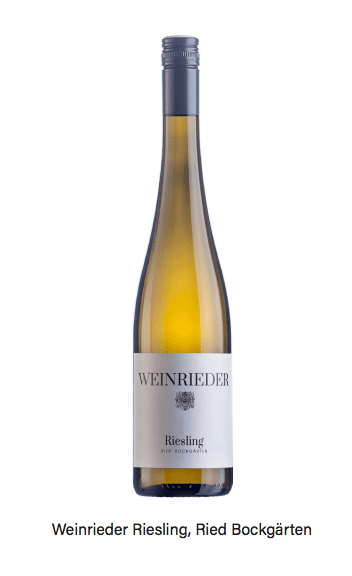
WEINRIEDER RIESLING ‘BOCKGÄRTEN’
The Weinviertel is Austria’s largest wine region. Best known for its peppery Grüner Veltliner, it also produces refined Rieslings from carefully chosen sites. The Rieder family are specialists in aromatic white wines that show finesse and character. Their philosophy, that genius is often a millimetre away from catastrophe, speaks to a willingness to push boundaries. Friedrich Rieder and his son Lukas craft premium wines that are thoughtful rather than formulaic. Lukas trained with Alzinger in the Wachau and Klaus-Peter Keller in Rheinhessen (Germany), an education reflected in the precision of the wines currently produced at Weinrieder.
Weingut Weinrieder is based in Kleinhadersdorf, near Poysdorf, north of Vienna and close to the Czech and Slovak borders. The Bockgärten vineyard is planted with 30- to 40-year-old vines on southfacing slopes of clay and loam soils with excellent water retention that support freshness and acidity.
This Riesling offers concentrated stone-fruit flavours of apricot and peach supported by lemon zest, red apple and a fine mineral edge. Fruit-forward yet balanced by ripe acidity, it is an excellent food wine, particularly as an accompaniment to seafood or classic Wiener Schnitzel.
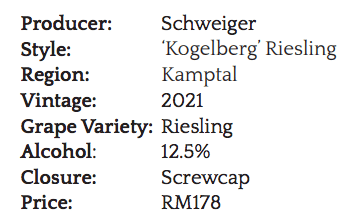

SCHWEIGER ‘KOGELBERG’ RIESLING
This single-vineyard Riesling from the Kamptal, is produced by another father-and-son team, Peter Schweiger senior and junior. Based in Zöbing, near the heart of this wine region, Peter junior represents the fourth generation of family winemaking. Sustainability and respect for nature underpin their approach to winemaking.
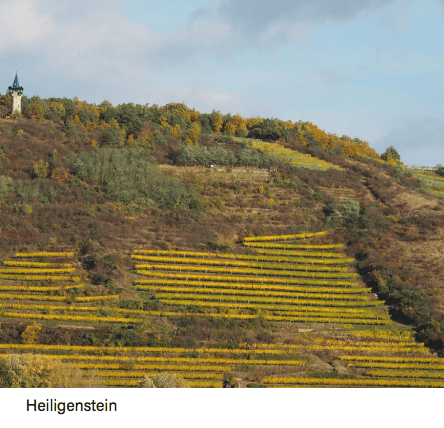
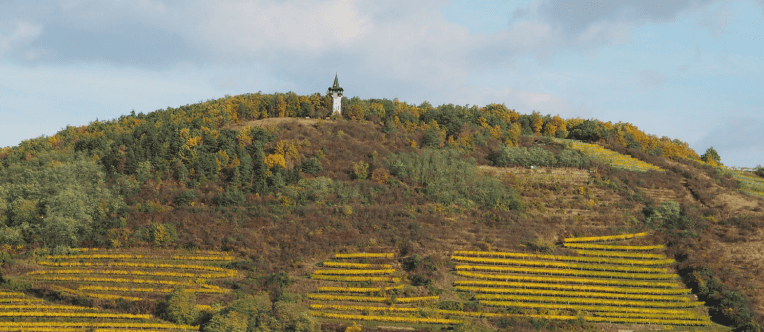
The Kogelberg vineyard lies on the western bank of the River Kamp, sloping southwards to maximize sun exposure. Slate, sand, and clay dominate the soils, closely resembling those of the neighbouring and legendary Heiligenstein site
The wine is pale yellow-green and initially restrained, opening to aromas of blossom honey, yellow fruit and orange zest. The palate is finely structured, offering white apple, fresh acidity and a lemonmineral finish. It makes a fine pairing with backhendl (deep-fried breaded chicken) or aromatic Thai curries.
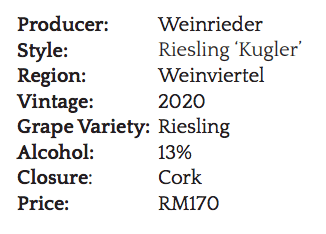
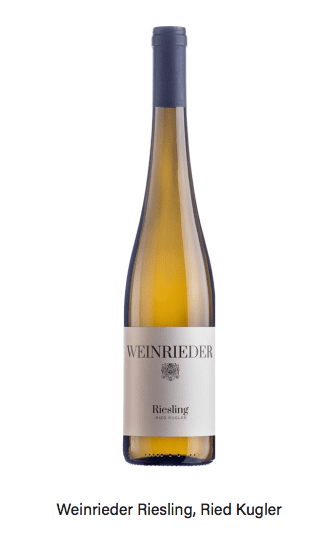
WEINRIEDER ‘KUGLER’ RIESLING
Wine styles are cyclical, but tradition provides the framework that endures. Riesling remains a distinguished member of wine’s royal family.
The Kugler vineyard is south-facing, sheltered by forest and planted on loess and sandy soils that are rich in lime. These conditions impart pronounced minerality and long ageing potential. Vines up to 40 years old are hand-harvested at optimal ripeness, with strict bunch selection ensuring only the finest fruit reaches the cellar.
Vinification is deliberately gentle, while fermentation and maturation take place in stainless steel to preserve purity and precision. The resulting wine is aromatic, juicy and structured, with vibrant acidity, ripe apple and subtle tropical notes, finishing long and spicy.
Ideal with seafood, poultry or spicy Malaysian cuisine, this Riesling exemplifies Austria’s ability to combine fruit, finesse and minerality. As The Wine Advocate notes, Weinrieder is ‘a master of dry and medium-dry Riesling, Pinot Blanc. and Grüner Veltliner.’
These three Austrian Rieslings are best served well chilled, at 8–10°C. Another issue for Malaysian connoisseurs embracing Austrian Rieslings, or indeed any Austrian wine, is that they are often challenging to track down in the country. However, a great place to start is Christoph’s in Lorong Stewart, Penang. This Michelinrecognized restaurant serves hearty family dishes from Austria. The owner is also a wine importer and has a curated wine list that includes these three wines and others from his homeland.