Jogjakarta, Indonesia has always been known as the city of arts and culture. If Jakarta is the mind of Indonesia, then Jogjakarta is its soul slower, deeper, and quietly alive with creativity, tradition, and meaning that lingers in every corner of the city.
From its art, culture, and food, Jogjakarta has a unique charm that draws visitors into every corner to experience its rich heritage and traditions.
TEMPLES AND ROYAL PALACES THAT OUTLIVE TIME
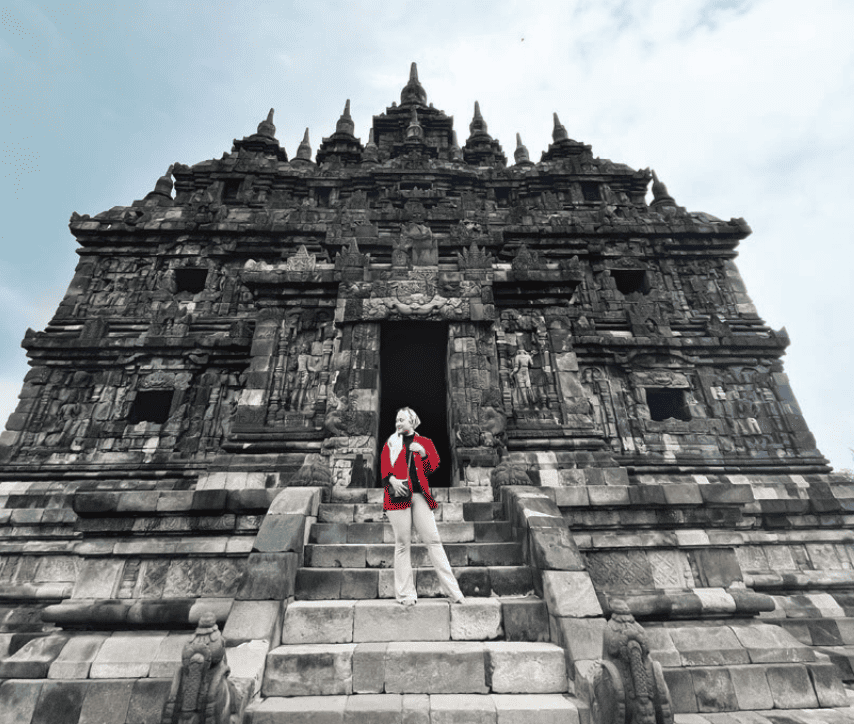
My first visit was Prambanan Temple towering, intricate, almost mythical in scale. Built in the ninth century during the reign of Rakai Pikatan, this Hindu temple complex once stood at the heart of a powerful kingdom, dedicated to the divine balance of creation, preservation, and destruction.
Despite centuries of natural disasters and historical change, the temple still stands as proof of the skill of ninth-century Javanese civilisation. Walking through Prambanan, it feels less like visiting an ancient ruin and more like stepping into a space that still carries memory of belief, ambition, and artistic achievement.
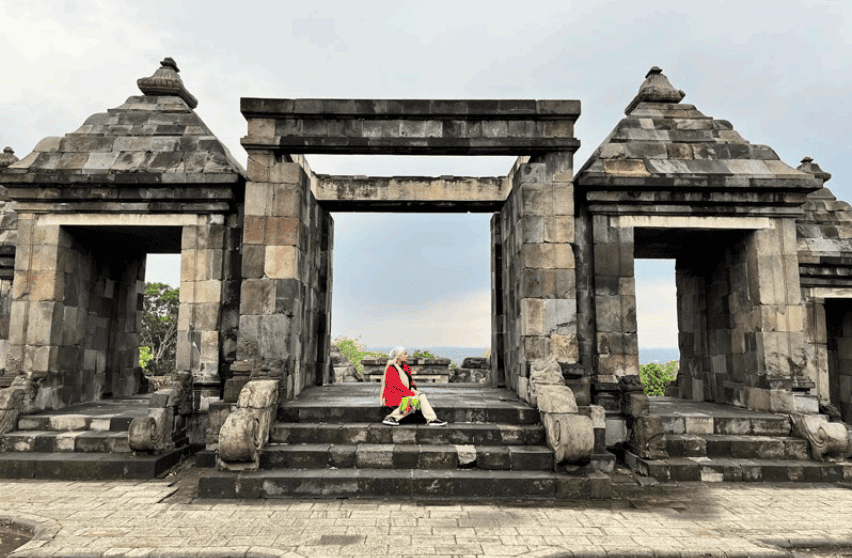
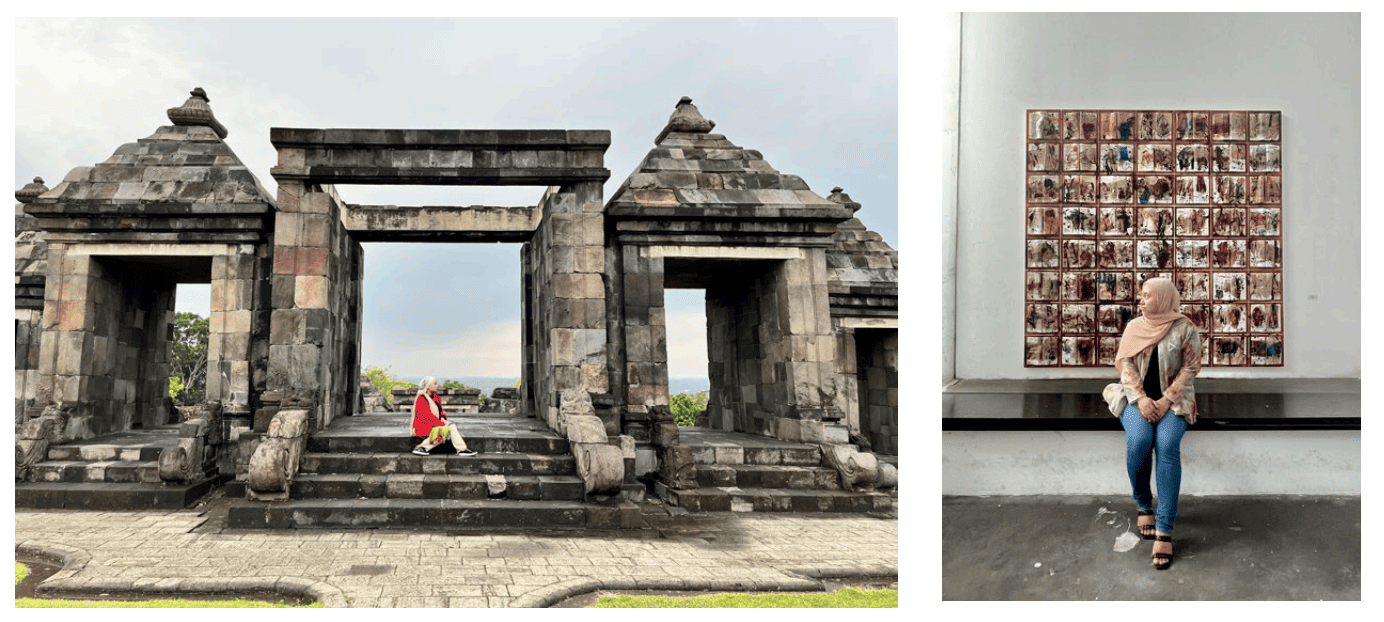
A short distance away is Keraton Ratu Boko, an ancient palace perched on elevated grounds that requires a post-rain climb to reach. slightly slippery, slightly dramatic, but completely worth it. At the top, ruins frame a vast rectangular horizon, and lush greenery stretches endlessly in every direction. The stillness there is almost cinematic, almost as though someone designed it specifically to make one feel small in the best possible way.
Unlike most ancient sites in Java, Keraton Ratu Boko is not a temple complex. Instead, it is widely believed to be the remains of a royal palace, likely established during the reign of Rakai Panangkaran, a ruler closely associated with early Buddhist influence.
Today, Keraton Ratu Boko stands as a layered royal complex where history, religion, and legend quietly intertwine. Archaeological findings suggest that it once functioned as either a royal residence or a fortified settlement, adding to its enduring sense of mystery and intrigue.
WHERE ART BREATHES QUIETLY
Jogjakarta’s soul reveals itself most honestly through its art spaces.
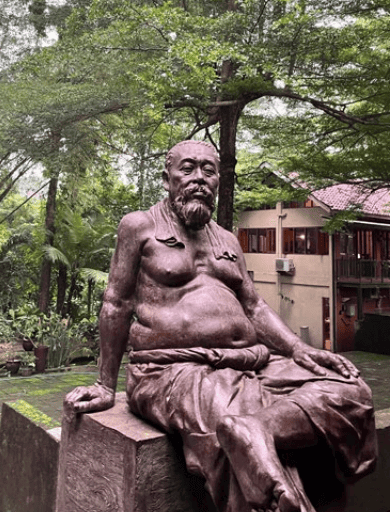
At Padepokan Seni Bagong Kussudiardja, I wandered into a world where creativity feels livedin rather than curated for social media. Galleries, performance halls, a striking scholar’s statue, and underground art galleries are all on display here.
Every wall at Padepokan Seni whispers beautifully written Indonesian poetry, delicate, deep, and meaningful.
My time in Bantul also brought me to the underrated Bale Banjar Sangkring Art Gallery. Sangkring Art Space meets international exhibition standards and was initiated by Putu Sutawijaya, a renowned artist from Bali widely recognised for his distinctive and influential works.
CHASING SUNRISES AT MOUNT BROMO
No journey through Central and East Java would be complete without venturing further afield, and so my travels extended briefly to Malang, a small city in East Java that carries its own quiet pleasures. In Malang, I visited the Lafayette Coffee & Eatery, known for its rooftop view overlooking the city’s streets and particularly famous for its lavender drinks, a welcome pause before the early start that awaited.
In Malang, I visited the Lafayette Coffee & Eatery, known for its rooftop view overlooking the city’s streets. The café is particularly famous for its lavender drinks.
The journey to Mount Bromo began at 4.00 am in a rugged fourwheel-drive jeep, climbing through Mount Penanjakan and cutting through darkness, rain, and the kind of cold that seeps into the bones and makes one genuinely question one’s life decisions.
Mount Bromo stands majestically inside a vast volcanic plain called the Lautan Pasir (Sea of Sand).
The tourist guide explained that this mountain is actually part of a huge volcanic massif called Mount Tengger, which experienced a massive eruption in the distant past.
The area is home to the indigenous Tenggerese people. Every year, the community performs the Yadnya Kasada Festival, during which offerings are thrown into the crater as a form of gratitude and respect to the gods.
A MELANCHOLIC RETURN
Back in Jogja, I visited Malioboro Street, where the city’s pulse is most alive. Tucked within it is Sellie Coffee, a quiet nod to Ada Apa Dengan Cinta 2 fans and a space that carries a certain melancholy charm, understated, reflective, and serving locally sourced coffee that tastes exactly like something rooted deeply in a specific place.
MORE THAN A DESTINATION
Jogjakarta is not a destination one checks off a list. It is a place that unfolds in layers, ancient temples and rain-soaked adventures, intimate art spaces and cinematic nostalgia living side by side.
Somewhere between chasing fictional love stories and navigating genuinely muddy paths, I found something I was not looking for: a serene, peaceful feeling of being at home in an unfamiliar land. That, perhaps more than any temple or gallery or sunrise, is what Jogjakarta gives to those who are willing to slow down and receive it.