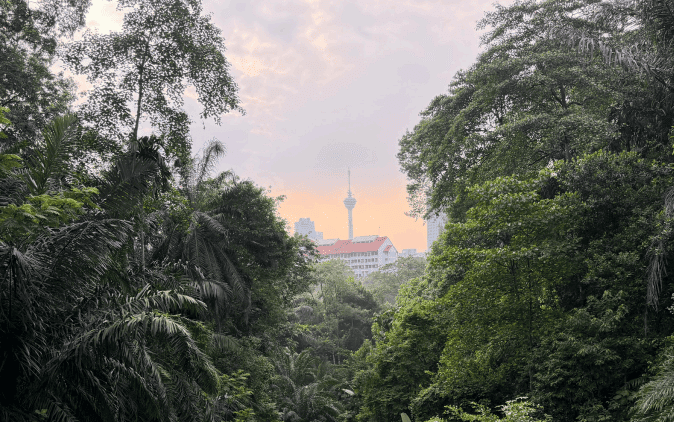
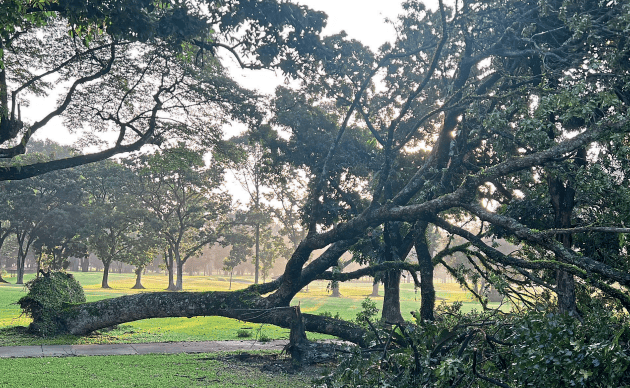
The Camino Portuguese is one of the spiritual routes ending in Santiago de Compostela, Spain. This route is the second most popular Camino de Santiago, or the Way of St. James (“the Way”), after the Camino Frances. The wide network of pilgrimage routes covers the whole of Europe but out of the many Camino routes, the Camino Frances and the Camino Portuguese are the two most popular routes – 80% of all pilgrims (walking or cycling) who arrive in Santiago complete either of them.
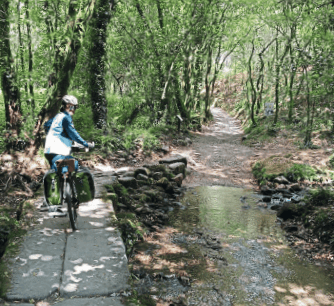
The lovely forest trail en route to Caldas de Reis
The discovery of the tomb of Apostle St. James (St. James the Great) in Santiago de Compostela way back in the 9th century led to the first pilgrimage there. Since then, millions of pilgrims from all over the world, whether on foot, horse, or bicycle, have completed the Camino de Santiago. The Way has been an important part of European culture since the Middle Ages, uniting pilgrims from all over the world regardless of their nationality, religion or social status.
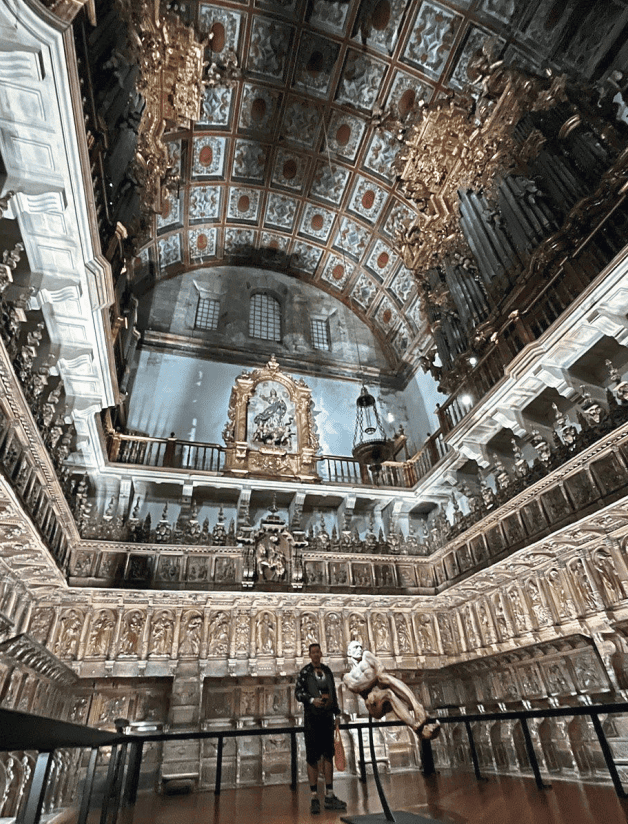 Inside the Santiago cathedral
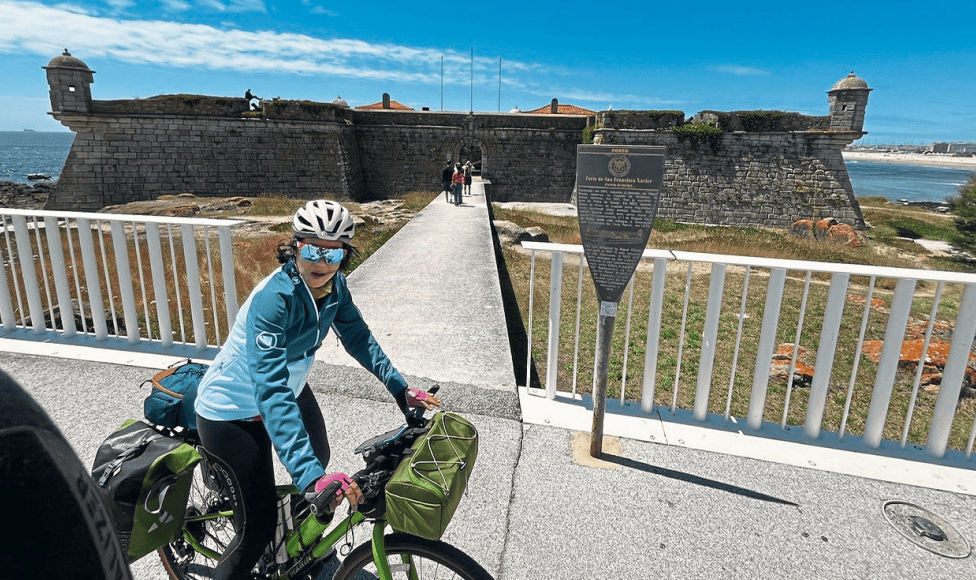 Leaving Porto on day 1
The Way
The total distance of the Camino Portuguese from Porto to Santiago depends on the route you choose, with the Coastal Route/Litoral Way spanning 280 kms, and the Central Route (hillier terrain) taking a slighter shorter 260km. This Camino is a challenging multi-day walk, requiring some preparation and training, especially if you are not an experienced walker or hiker and have never done a long-distance walk. Some pilgrims walk 20-25km each day, while carrying their backpacks. Many beautiful towns along the route are perfect for taking rest days to explore. In order to obtain a valid certificate issued at the end point in Santiago, one needs to walk a minimum of 100 kms, and if cycling, a minimum of 200 kms. We chose to ride The Way with our bicycles – being no less acceptable of a feat from those pilgrims of bygone days who also rode The Way on their horses.
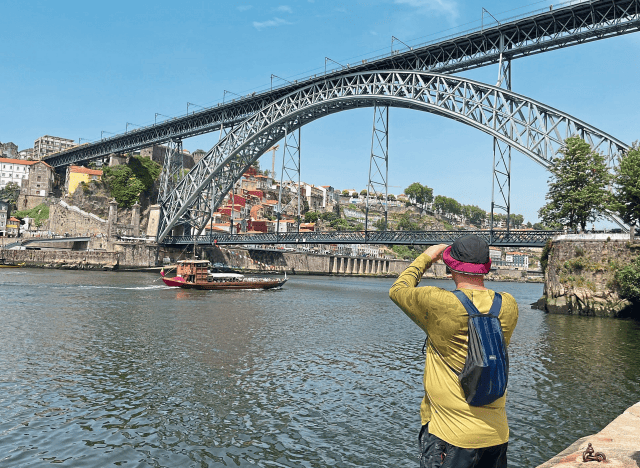 Ponte de Dom Luis I bridge over the Douro River
Porto
We flew into Porto from London in July, once again lugging our trusty Marin bikes and panniers. We spent 2 nights in the lovely Porto first to explore our starting point at the imposing Se Cathedral in Porto and, more importantly, to collect our Camino “passport” with our first stamp validation. Our abode was an Airbnb situated in the heart of Porto, in the vicinity of Jardim das Virtudes. Porto is a city peppered with hilly cobblestone lanes, with the famed Douro River meandering right through it to separate the medieval old city, the Ribeira, from its cross-river sister city, Vila Nova de Gaia. Porto has maze-like neighbourhoods that are a delight to get lost in, and vertiginous viewpoints teetering high above the terracotta rooftops. We crossed the iconic Ponte de Dom Luis I bridge, a famed cast-iron bridge above the Douro river, on the way to a park along Passeio das Virtudes, which slips down the hillside in a series of terraces. This is a spot sought by sunset view chasers. Porto sunsets are serious business. Portugal’s famous wine and port lodges are located, at Vila Nova de Gaia. Port of course originates from Porto.
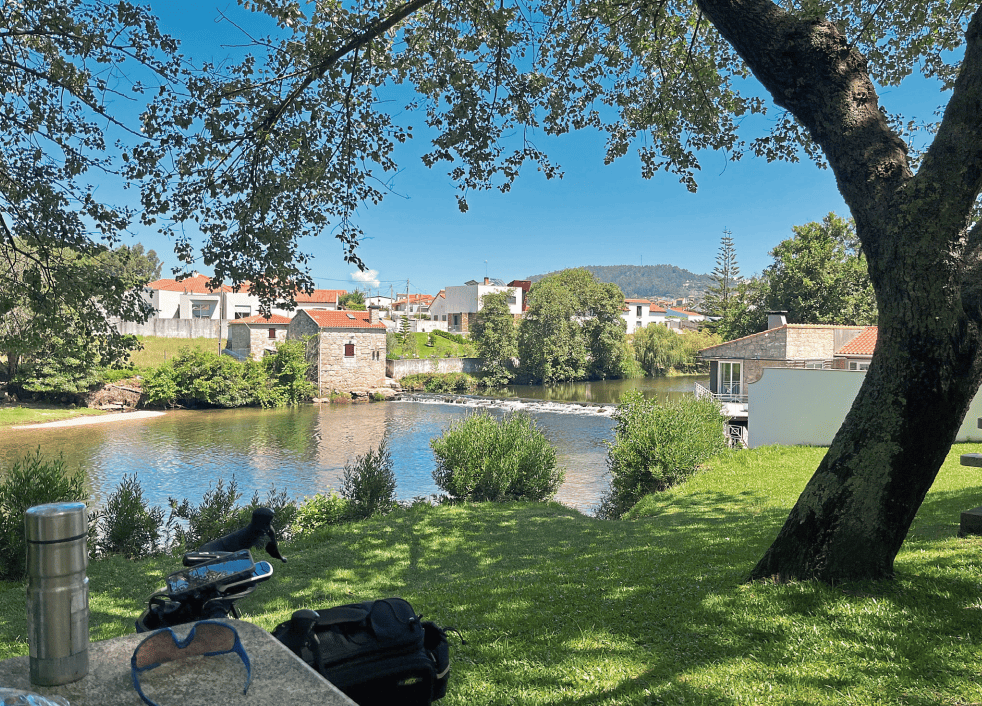 River Limia, where we picnicked
Portuguese design is epitomized by the walls of colourful instaworthy tiles (“azulejos”) traditionally adorned with intricate repeating patterns or mural scenes executed in blue and white. Some of the most impressive tile art in Portugal can be found inside the Sao Bento train station, depicting stories of Portugal’s past stretching from floor to ceiling.
We did not have the opportunity to check out the Harry Potter bookstore, Livraria Lello, as the lengthy queue of touristy fans was too forbidding. We visited the Igreja de São Francisco, which hides one of Portugal’s most dazzling displays of baroque finery. It is highly decorative and mighty impressive – appearing to be covered in gold due to the abundance of gilt-edged woodcarvings. One of the culinary attractions in Porto is their sardines packed in tins! Such amazing intricate artwork and designs on their locally produced tins are sold everywhere, but alas, we could only afford to consume and sample this delicacy there and then, as we had to minimise the load and supplies on our bikes for the 280 km trip.
 We cycled through many cornfields on the Portugal side of the route
Day 1 – To Vila do Conde
Starting our journey, we had to immediately “T&T” (turun dan tolak) as the notorious cobblestone lanes and uneven pavements heading out of our Airbnb were too risky to attempt if astride our heavilyloaded bikes descending the steep slopes. Eventually edging out of the city, we initially rode alongside the Douro River, until the shimmering seas of the Atlantic coast emerged in our view. We rode 30 kms on to the picturesque coastal town of Vila do Conde. This town exudes a timeless charm, with its (even more!) narrow cobbled streets, ornate churches, and impressive medieval architecture. Its proximity to the Atlantic Ocean provided us with stunning sea views, complemented by expansive sandy beaches. We cycled past an odd, arched structure standing around 30m high – the Santa Clara Aqueduct. This monumental structure stands testament to the engineering prowess of the 18th century, constructed at the time to supply water to the Santa Clara Convent. Stretching on for approximately 4 kms, it was indeed an iconic silhouette against the sky.
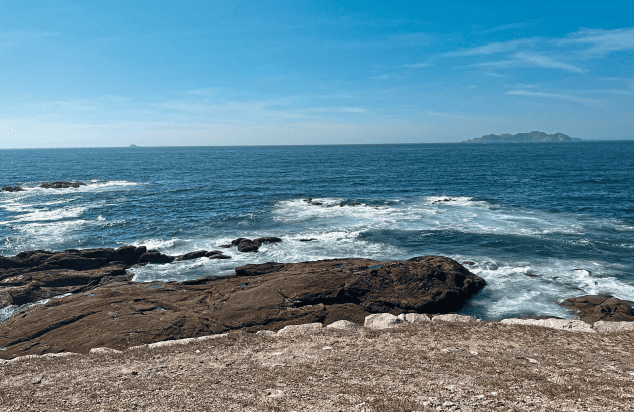 The beautiful rugged coastline of the Atlantic Ocean
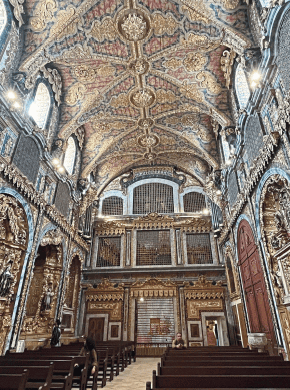 The wood and golden Igreja de Sao Francisco in Porto
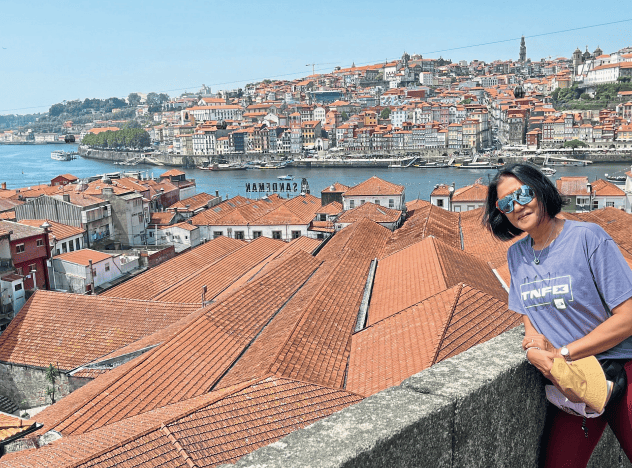 The rooftops in Porto
Day 2 – To Esposende
Departing the town, whilst we were initially trekking a dedicated bike route along the coast, we then hit more jarring cobblestone roads weaving through the villages. It was fortunately flatter terrain than in Porto but we were left fretting whether this would be our plight for the rest of The Way. Tolerating this terrain for 30 kms or so, we were relieved to arrive at Esposende absent any broken spokes or missing bolts, nuts or screws. Thankfully, the awesome pilgrim-oriented Sea Soul Hotel which we finally checked into, made up for our nervous journey.
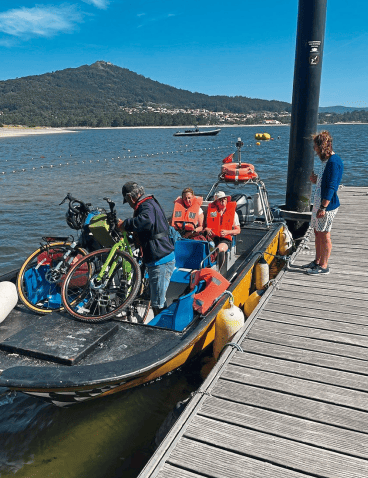 The taxi boat leaving Caminha for the Spanish border
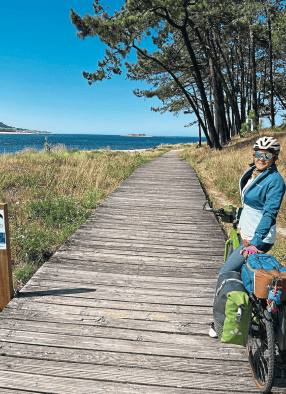 Landed in Spain
Day 3 – To Viana do Castelo, onward to Caminha
We were cycling on boardwalks when starting out of Esposende, followed by gravel terrain crossing vast swathes of countryside, and farmland cultivated with corn. We picnicked by the scenic Limia River area and refuelled (i.e obtained caffeine) before braving the narrow traffic-busy Ponte Eiffel bridge across the river, into Viana do Castelo. After a short train ride, we arrived in the quiet Caminha town, the final stop within Portugal, before the Camino Portuguese continues in Spain.
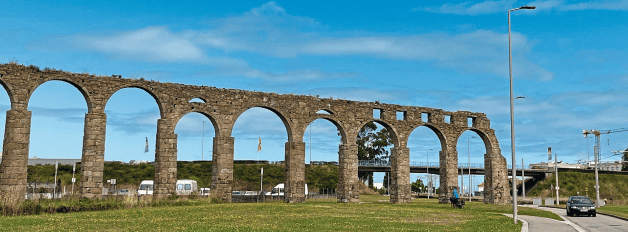
Part of the Santa Clara Aqueduct near Vila do Conde
Day 4 – To Baiona
Continuing the route from Caminha, it started with a brief 5-minute taxi boat ride across the River Miño (known in Spain as the Miño, but widely recognized by the Portuguese name Minho). We could see Spain just across it. The River Miño flows entirely through the autonomous community of Galicia, Spain. The last 76 kms of it becomes a natural border between Spain and Portugal until it reaches its mouth in the Atlantic Ocean, where it forms an estuary near Caminha. Holding on for dear lives to our bikes on the boat (the boatman was totally unfazed, I reckon they ply this short route numerous times a day), we then “landed” ashore in Espana. Adeus Portugal!
The plan was to cycle to Baiona, a 35-km ride away. The route we traversed was a mix of boardwalks, gravel paths and dedicated cycle paths on tarmac all the way. Elevations which we had to tackle along the route, even though exhausting, rewarded us with awesome views of the Atlantic Ocean below, with its angry waves crashing onto the rocky shoreline. Baiona was our finishing point for the day, a picturesque seaside town with boats docked in its marina. We checked into a Pension, a family-run homestay with its affable resident dogs, cat, and a duck. We hiked up to explore the fortress walls of the Monterreal Castle, a magnificent fortification dating back centuries, which has now been converted into a luxurious 5-star hotel, The Parador.
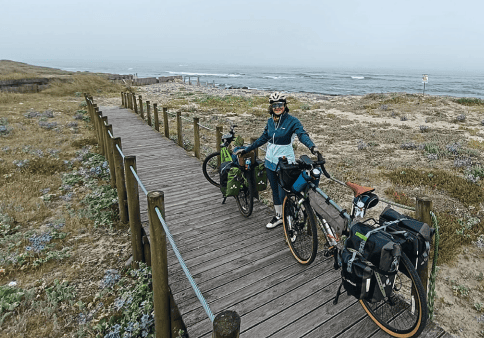
Some of the boardwalks we cycled on
Day 5 – To Vigo
The 5th day was a relaxing flat ride running parallel to the coast, where we passed summer sun seekers and beach goers. There were no cobblestones in sight! We later learnt from the other peregrinos (pilgrims) that the Spanish side of the Camino had way better paths, was more well-developed, and had more visible Camino signages (indicated by the yellow scallop shell) compared to the route within Portugal. The scallop shell symbol, with all the lines on it converging at the end, represents the idea that pilgrims travel different routes from all over the world, but all the trails lead to the tomb of St. James in Santiago de Compostela. Our pleasant ride went on for some 30 kms before arriving in Vigo, a modern busy city, and mighty hilly! We resorted to using a walkalator to haul our bikes and us, up to our hotel set atop the hill.
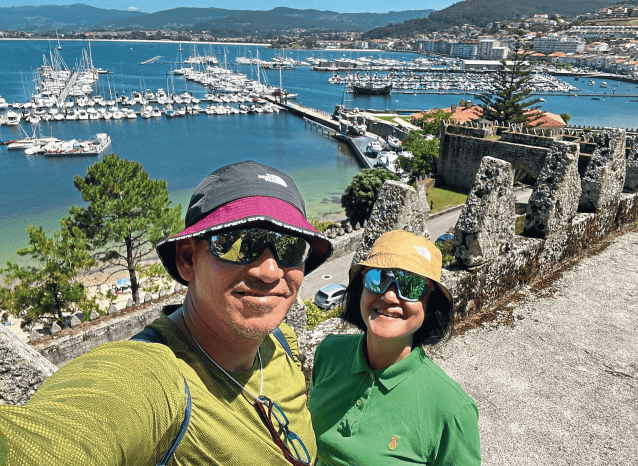 The Monterreal Castle in Baiona
Day 6 – To Redondela, onward to Pontevedra
Leaving modern Vigo town, we routed to the Chapela Green Path which is a dedicated bike lane elevated above the Vigo estuary. After a lunch stop in Redondela, we continued on to Pontevedra.
Pontevedra is a really charming and historic riverside town. The old part of the town is entirely pedestrian, and has pretty plazas and terraces, cafes and lively bars. The Peregrina Square in the town centre is quite famous and is considered the city’s heart. In this square sits its symbolic pilgrim church, the Iglesia de la Virgen Peregrina, dedicated to all pilgrims who pass through Pontevedra doing the Portuguese Camino. Apart from that, there is the catholic church Real Basílica de Santa María a Maior, and the well-preserved Ruins of the Santo Domingo Monastery, a Gothic temple dating back to the 13th century. Our dinner that night was at the Square, sampling a typical Galician dish – cooked octopus, potatoes, paprika, salt and olive oil, served on a wooden board. Delicioso!
Day 7 – To Caldas de Reis
The route today took us through a gravel terrain set within lush cool forests with meandering streams. We stopped at a brook for snacks and coffee. Cycling on through serene villages interspersed with vineyards, we visited the waterfall at the Parque Rio Barosa en route. We had been warned that approaching the under-100 km mark heading towards Santiago, there would naturally be limited, or no, choice of albergues (hostel for pilgrims) or even hotels along The Way, given the increased numbers of pilgrims walking into Santiago at that point in. After our valiant efforts sourcing on all types of online booking platforms but to no avail, we resorted to booking a pricey motel along a hillside just outside the town of Caldas de Reis. It was a really quirky place shrouded in privacy, with imposing 20-foot prison-like gates leading into the property. Furthermore, there were no common areas or restaurants within the Motel, for guests to mingle. Food was only room service, delivered through locked window hatches opposite our room door, behind which it seems was a maze of private corridors for the staff to access. We treated ourselves to the in-room jacuzzi before calling it a day, and still did not see or hear a soul when we turned in for the night…
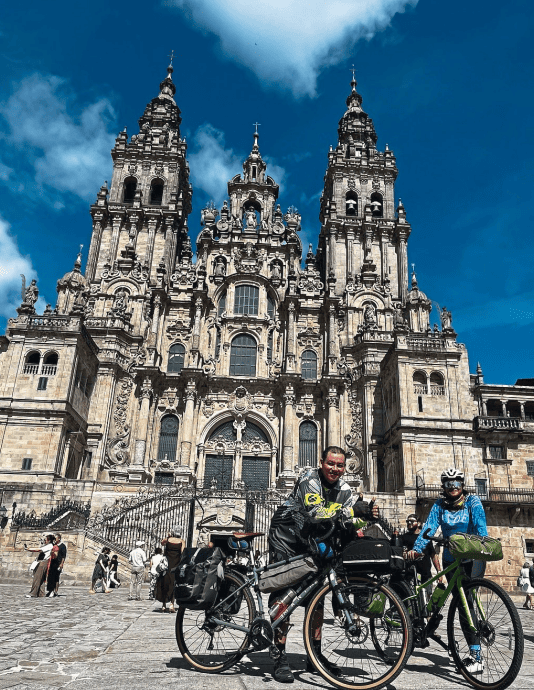 After 8 days of cycling, we arrived in Santiago de Compostela
Day 8 – To Padron, onward to Santiago de Compostela
Thus, the final leg to Santiago. The route was lively and bustling, and we encountered many other walking pilgrims trudging down the same path. Cheerful shouts of Buen Camino! resounded everywhere, in anticipation of how close we all were now, to the final destination. The route took us into a forest on narrow and pebbly trails which at some points were elevated and sandwiched between the steep hill slope and the valley with streams below. It was a challenge to navigate our bikes on such terrain, but it felt so serene being immersed in the natural environment. Exiting the forest, we arrived in Padron and did the closing trek to the Santiago de Compostela Cathedral, the final point for all pilgrims walking or cycling the Camino. We submitted our Camino passport to the efficient Pilgrims Office (the process and place reminded us of banks) as proof of completing the Camino, in exchange for the Camino certificate. What a fantastic experience, and we would absolutely do another Camino all over again, in a heartbeat!