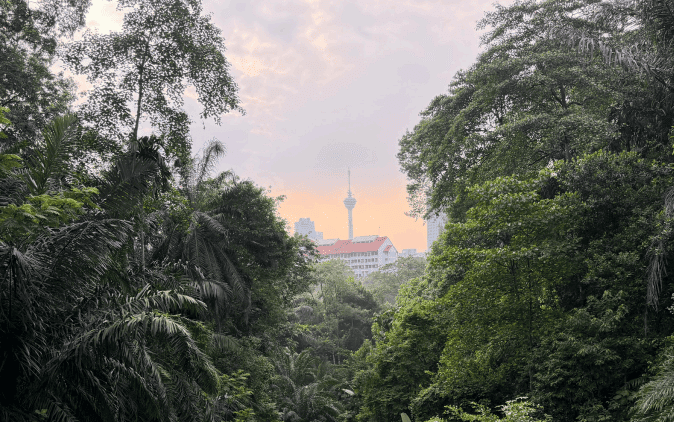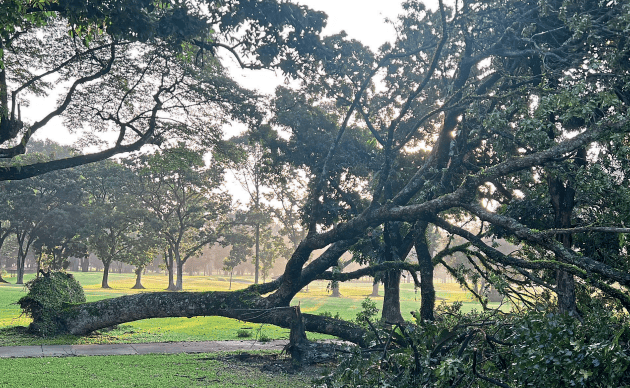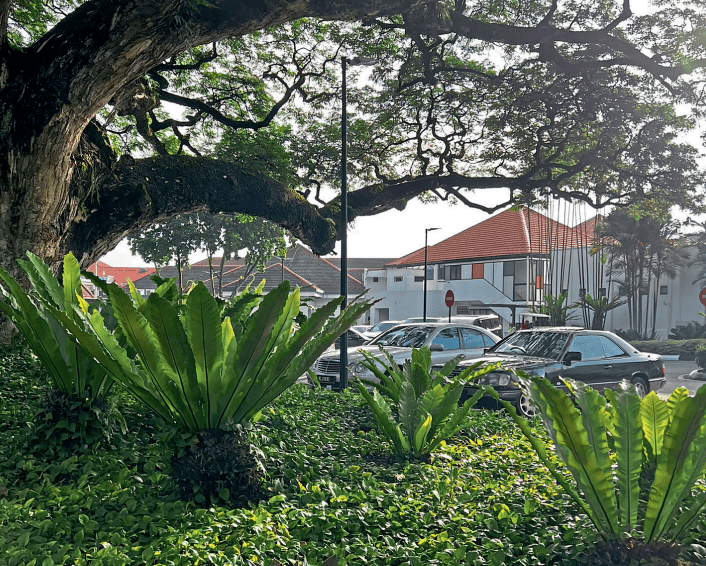
Planting palette or planting guidelines play a crucial role in the success of any gardening or landscaping project. They provide a standardized approach to planting, ensuring that plants are given the best possible start and are set up for long-term growth and vitality. Without proper guidelines, we may unknowingly make mistakes that can lead to poor plant health, and even plant failure. By following this planting guidelines, we can avoid common pitfalls and maximize the chances of achieving our desired results.
As a resident horticulture, I am currently creating the planting palette that will serve as our blueprint for future landscape design. For all of the plantings surrounding the Royal Selangor Golf Club’s grounds to have a unified and cohesive appearance, the club requires consistency in both the concept and implementation of each type of planting. The management and technical staff in charge of carrying out and supervising planting inside RSGC are expected to be knowledgeable. They must be completely comply with the design and installation of the species listed in the document.
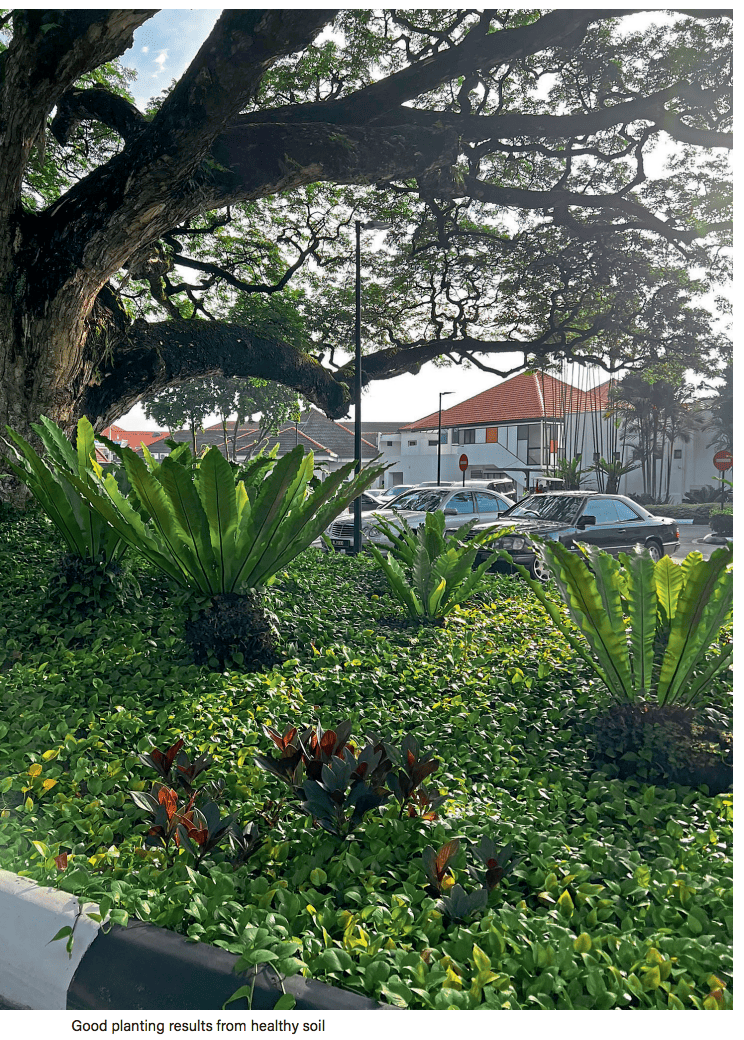
SELECTING THE RIGHT PLANTS
Another important aspect of planting guidelines is selecting the right plants for a specific location or purpose. Guidelines may provide information on the ideal growing conditions for different plant species, including sunlight requirements, temperature ranges, and soil preferences. They may also offer guidance on choosing disease-resistant varieties or native plants that are well-suited to the local climate. By following these recommendations, gardeners can ensure that their plants have the best chance of thriving in their intended environment.
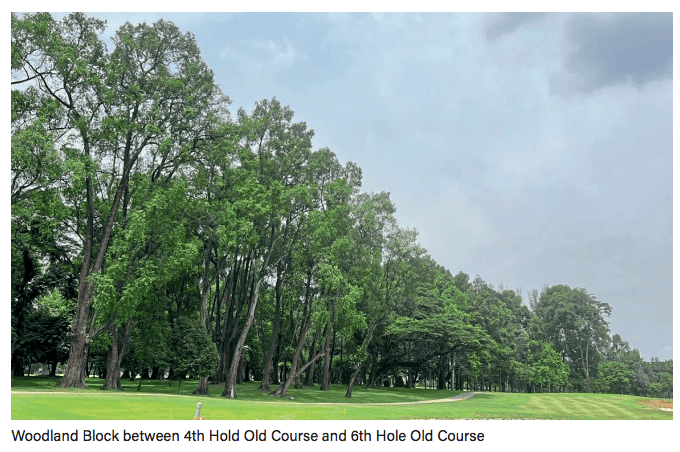
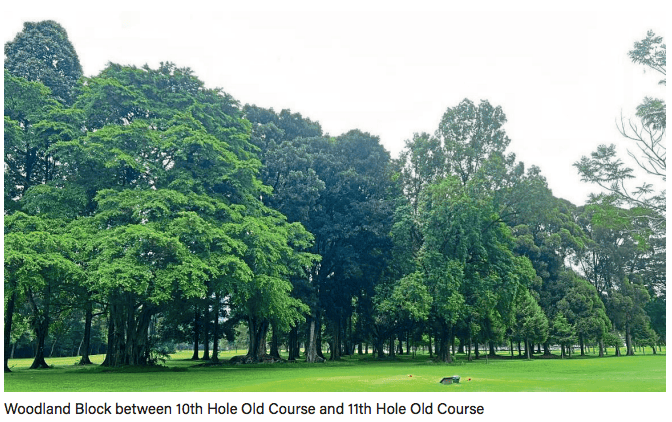
The golf club can be separated into two primary components which are the golf course and the club house with surrounding facilities. Each of these components has a distinct character with its unique prescribed in planting palette. First, the golf course is a low-lying parkland course. The parkland nature is typified by fairways framed by stands of trees and woodland blocks. Second, the woodland blocks feature many indigenous primary canopy species complementing the numerous Tembusu, Fagraea fragrans that exist around the golf course. Tembusu are a legacy heritage tree originating from the sites original use as an experimental Tembusu plantation during the British colonial era. With the exception of the approaches and areas around midway shelters, ornamental planting is not permitted on the golf course.
Permitted planting is selected to complement and reinforce the parkland and woodland character. There is a preference bias for indigenous trees to promote Malaysia’s natural heritage and to provide indigenous habitats to attract native fauna.
UNDERSTAND SITE
A thorough inventory and analysis of the site is important to determine the environmental conditions for plant growth and the best use of the site. Issues of concern include the soil type, topography, and regional climate. The type of soil determines the nutrients and moisture available to the plants. It is always best to use plants that will thrive in the existing soil. Although soil can be amended, amendment is often costly and most times ineffective. Existing plants can provide clues to the soil type. Where plants grow well, note the soil conditions and use plants with similar growing requirements. If not, particular attention to areas where plants are not doing well and adjust when choosing new plants. Topography and drainage should also be noted and all drainage problems corrected in the proposed design b. A good design will move water away from the house and reroute it to other areas of the yard.
GROUPS OF PLANTING AT THE GOLF COURSE
Trees species for golf course tree planting are separated into two distinct groupings that are related to where they can be planted which are the areas adjacent to the rough and between fairways which are categorized in the golf course renovation plans. The long-term intention for the trees directly framing the fairways is to promote a high conical canopy with clear trunks that allow good light penetration and air movement to the ground beneath. This is to allow better grass growth for the second cut and deep rough areas beneath trees framing the fairways. Species selection shall promote framing the fairways without excessive canopy spread and over-hang. Trees within this area include some selected exotic species to allow visual highlights and focal points to be expressed where considered appropriate.
Meanwhile the grouping of woodland blocks which do not interfere or impact on general play are generally undisturbed areas set back between holes. The long-term intention for woodland blocks is to promote woodland clusters that include varying canopy structures and tiers. The woodland blocks will include primary canopy, sun canopy and understory planting. The woodland blocks are intended to require minimum maintenance and promote a woodland eco-system that encourages increased arboreal habitats and promotes biodiversity. Ground level grass growth within the areas will be discouraged with a preference for the installation and colonization of shade tolerant understory ground cover plants.

STRUCTURE THE PLANTINGS
Plants provide structure in the garden in the same way as do the walls of a building. Shrubs can act as walls in a space and the branches of trees form a ceiling canopy overhead. The overhead plane, the vertical plane and the ground plane should all be considered to create enclosure. Once the shape of a plant bed has been established, the plants should be massed or grouped and layered to achieve visual unity and the desired amount of enclosure. The size of a plant mass will depend on the total size of the yard, the size of the individual plants in the mass, and the emphasis or impact desired from the plant material. Plant masses that overlap to form layers connect the plants in a pattern of interconnection. Every mass of plants is either next to, behind, or in front of another mass. This could shorten the time needed for maintenance tasks like weeding and trimming.
AN OVERVIEW
Several important concepts will help to create an aesthetically pleasing, functional, and sustainable design for Royal Selangor Golf Club. The most important is, remember to put ideas on paper by creating a design plan. Use the design process to identify and understand the RSGC’s area necessity. Use a theme to guide the decision, the professional landscape designers always look to the existing conditions for inspiration and material and plant choices. Also, by using plant material to create the walls and floors of the garden for a physically comfortable microclimate. Lastly, remember that plants change over time, plan for this and we will find that observing the changes is one of the most rewarding aspects of the landscaping.