While Champagne undeniably sits at the top of the sparkling wine hierarchy, it’s not the only expression of wine with bubbles. Across Europe, producers use different grape varieties, climates, and fermentation techniques to create sparkling wines that share Champagne’s structure – or diverge from it entirely.
Italy’s Franciacorta, Spain’s Cava regions, and France’s own Crémantproducing areas each present an alternative interpretation of sparkling wine. Understanding how these wines differ begins with examining how Champagne is defined, and then exploring how other regions either follow or depart from its methods.
With the coming festive season, we thought it would be good to research some accessible sparklers to help welcome in the New Year. These wines are all typically available from your favourite wine store.
A BUBBLY PRIMER
Champagne is produced exclusively in the Champagne region of northeastern France and must follow rules that govern the grape varieties used, the method of fermentation, and the periods of ageing. The primary grapes are Chardonnay, Pinot Noir, and Pinot Meunier. Once the base wines are blended, the wine undergoes secondary fermentation inside the bottle. This process creates the carbonation and requires time “on the lees” (the spent yeast cells that remain after fermentation). The amount of time spent on the lees influences texture and flavour, often contributing notes associated with bread, pastry, or almond. Regulations demand a minimum period of ageing, although many producers extend maturation well beyond this.
Champagne has created a global benchmark for sparkling wine, but not everyone can indulge in it so regularly (and sometimes, people just want to try something a little different, as well), so we decided to sample three European sparkling wines from outside the Champagne region. Other regions have refined their own approaches – some adopting traditional bottle fermentation, others favouring tankbased methods that produce lighter, more fruity styles. These choices determine not only the taste, but also the identity and cultural significance of the sparkling wine.
The most significant factor separating Champagne from other sparkling wines is the method of production. Traditional method wines, regardless of country, develop complexity through extended lees contact and the chemical changes that occur during bottle ageing. These factors influence texture, longevity, and the character of the bubbles. Champagne, Franciacorta, Crémant, and Cava all use this method, although the length of ageing and the base wines differ.
Tank method wines, such as most Prosecco, focus instead on freshness and fruit. The bubbles are slightly less fine, the flavours more immediate, and the wines are generally intended for early consumption. The contrast between tank method and bottle fermentation is a defining line that shapes both consumer expectations and price.
Grape varieties add another layer of distinction. Chardonnay, Pinot Noir, and Pinot Meunier in Champagne create wines with both texture and depth. Glera in Prosecco yields light, floral, and fruit-forward wines. Grapes in Crémant d’Alsace introduce aromatics not typically found in Champagne, while the traditional Cava grapes contribute warmth and a rounded profile.
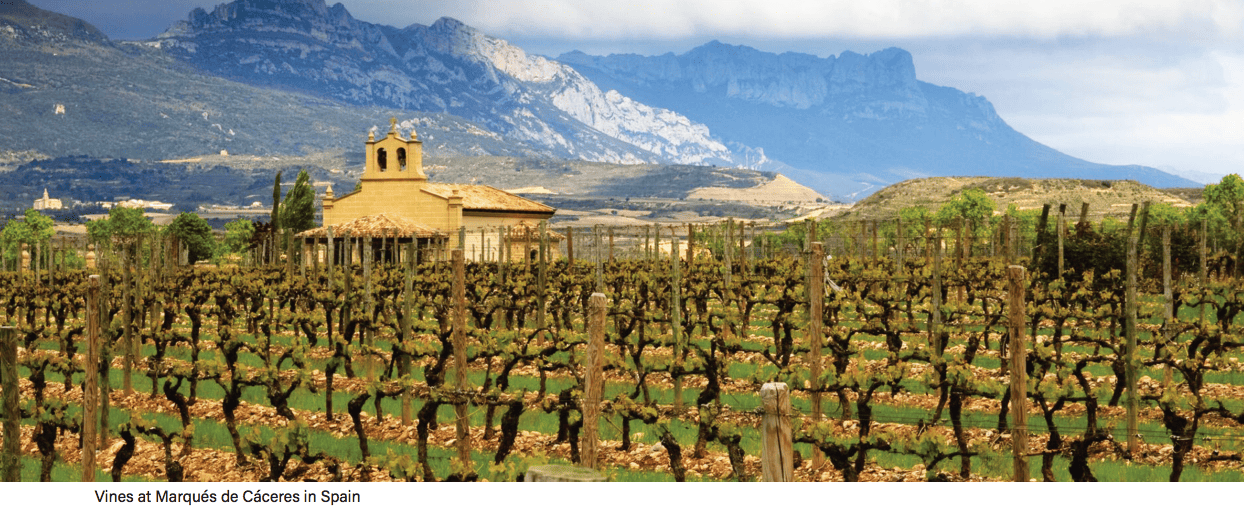
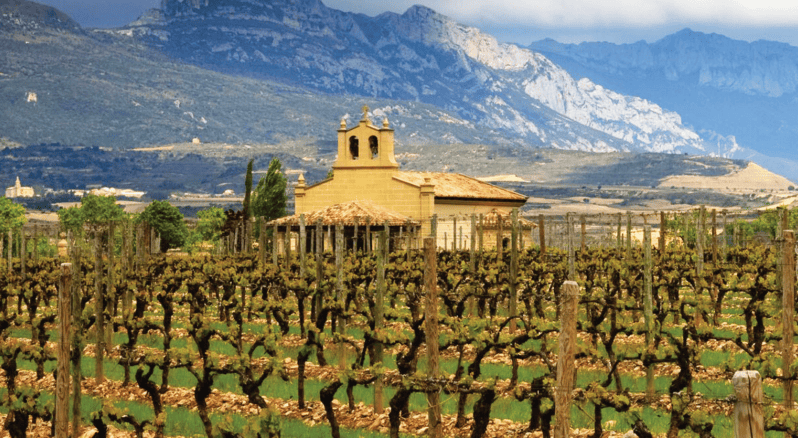
While Champagne continues to define the highest standards of sparkling wine, it is only one example of what can be achieved. Franciacorta, through wines such as Bellavista Alma Gran Cuvée, demonstrates Italy’s ability to reach similar heights while presenting its own identity. Crémant d’Alsace provides a French alternative that combines value with artisanal skill. Cava, particularly from producers like Marqués de Cáceres, offers a Mediterranean perspective grounded in tradition.
Together, these wines show that sparkling wine is not a single category, but a wide landscape of methods, grapes and regional, expressions. The distinctions between them help reveal not only how the wines are made but also the cultures and environments that shape them. We present here three enjoyable sparkling wines, hailing from Italy, France, and Spain.
BELLAVISTA ALMA GRAN CUVÉE
Italian sparkling wine is often associated with Prosecco, although this style represents only one segment of the country’s sparkling output. Most Prosecco is produced in the Veneto region using the Charmat method, in which secondary fermentation occurs in stainless steel tanks. This method preserves freshness and emphasises apple, pear, or citrus flavours. The wine is generally softer in structure and less influenced by yeast contact. It is also produced in large volumes, which has shaped its reputation as an accessible, easydrinking sparkling style.
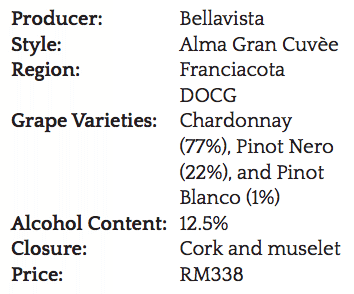
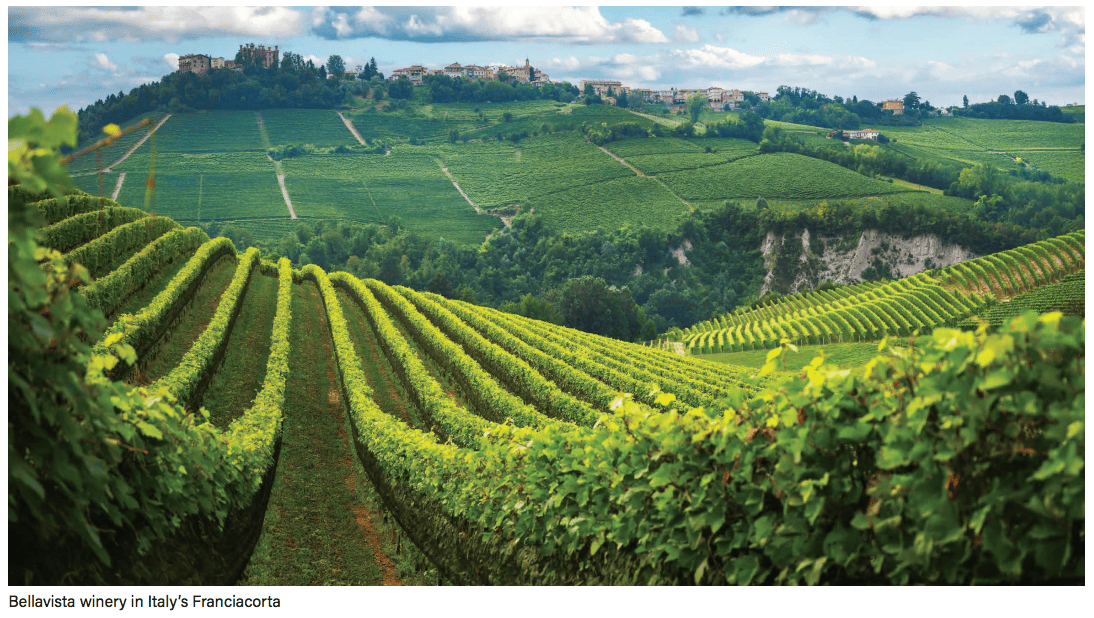
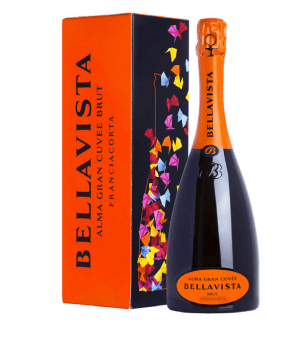
At the opposite end of the Italian spectrum sits Franciacorta, a region in Lombardy whose winemakers adopt the traditional winemaking method used in Champagne. Bellavista Alma is a leading example. Produced in the Franciacorta DOCG, it is made from Chardonnay, Pinot Nero and a minute amount of Pinot Bianco. The wine integrates reserve wines from previous vintages and undergoes extended lees ageing. Some of the base wines are fermented in small oak barrels, which adds depth and texture to the finished product. The combination of bottle fermentation, specific grape selection and controlled ageing creates a sparkling wine that is more structured than typical Prosecco, with a finer perlage (bubbles) and a profile that includes ripe citrus, stone fruit, and yeastiness. Bellavista Alma, with its blend and oak influence, shows how producer choices can elevate a region’s sparkling wine identity. It represents a distinctly Italian take on traditional sparkling wine, shaped by Mediterranean influences and the cooler microclimates of the region.
WILLY GISSELBRETCH CRÉMANT D’ALSACE ROSÉ
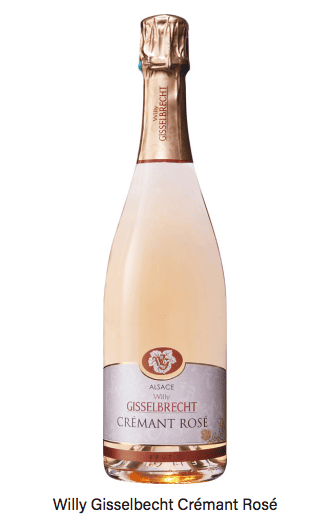
Outside the Champagne region, several French appellations (accredited regions) produce sparkling wine using the same bottle fermentation technique, but cannot use the Champagne label. These wines are called Crémant, and among them, Crémant d’Alsace has become a significant sparkling wine. The region uses grape varieties such as Pinot Blanc, Auxerrois, Riesling, Pinot Gris, and Pinot Noir. The climate of Alsace, influenced by the Vosges Mountains, provides conditions suitable for producing base wines with high acidity, a crucial attribute for sparkling wine. Crémant d’Alsace tends to be lighter and more aromatic than Champagne due to its grape varieties and to comparatively shorter ageing periods. It follows the same principles of tirage (secondary bottle fermentation) and riddling (regular turning off bottles), yet the final character reflects a regional identity. The wines typically show fruitiness, floral notes, and a clean, fresh palate. They provide an accessible entry point into traditional method sparkling wine because they are usually moderately priced while still offering complexity.
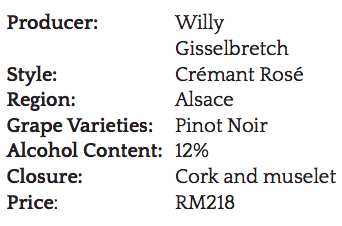
Willy Gisselbretch makes wines that highlight the precision and clarity associated with Crémant d’Alsace. The category allows producers to work with both white and rosé styles, the latter based entirely on Pinot Noir. Rosé styles appear across all major sparkling wine regions, but their production methods vary. In the traditional method, rosé can be created either by brief skin contact or by blending a small amount of red wine with the white base. Champagne permits both. The resulting wines can range from pale pink to deeper shades, depending on technique. They often carry flavours of red berries, citrus, or soft spice, supported by acidity and fine bubbles. In Alsace, most rosé Crémant is made exclusively from Pinot Noir. Willy Gisselbretch’s sparkling is noted for its subtle rose colouring, fine bubbles and restrained red fruit, underscoring how the region’s cooler climate supports vibrant acidity and delicacy. Despite regional variations, rosé sparkling wines tend to highlight fruit and freshness, while still benefitting from the textural advantages of bottle fermentation.
MARQUÉS DE CÁCERES CAVA
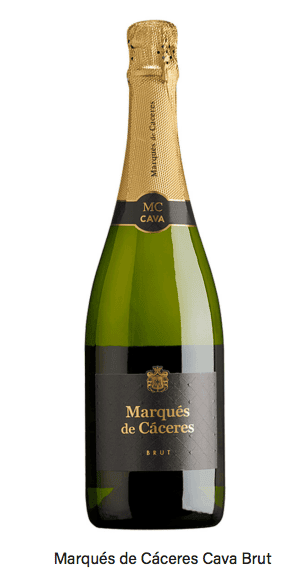
Cava has long held its place as Spain’s signature sparkling wine, offering good quality at approachable prices. Produced mainly, though not exclusively, in Catalonia using the traditional method – the same technique behind Champagne – Cava carries a reputation for bright acidity, clean flavours, and a distinctly Mediterranean character. The style took shape in the late 19th century when local winemakers adapted French methods to native grapes such as Macabeo, Xarel·lo, and Parellada. Over time, Cava earned a loyal following for its reliability and range, from easy-drinking bottles to more refined reservas. Today it continues to be a popular choice for casual celebrations and everyday enjoyment, reflecting a tradition built on craft, consistency, and a relaxed Spanish sensibility. Outside of its native Spain, where it enjoys wide popularity, Cava also has strong markets in the United Kingdom, Germany, and the United States. Here in Asia, the style has seen a steady growth in popularity in Japan, and we’d like to see it more enthusiastically embraced in Southeast Asia, where its comparatively modest prices make it a friendlier choice for sparkling wine.
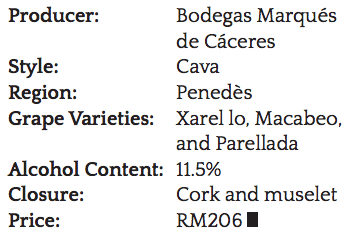
Cava’s grapes yield base wines that are slightly softer in acidity and warmer in character than those of Champagne, yet still well-suited to bottle fermentation. Marqués de Cáceres, known for its Rioja wines, also produces Cava. The winery follows the traditional approach, fermenting the wine a second time in the bottle and ageing it on the lees for a set period. The result is a sparkling wine that balances freshness with flavour. The aromatics typically include citrus, apple, and floral notes, supported by hints of brioche from lees contact. On the palate, Marqués de Cáceres Cava is dry with a clean finish that reflects both grape selection and method rather than a desire to emulate Champagne directly. Like in Alsace, a rosé version is produced as well, often incorporating Pinot Noir alongside traditional white varieties. Both express regional warmth while maintaining structure through controlled fermentation and bottle ageing.