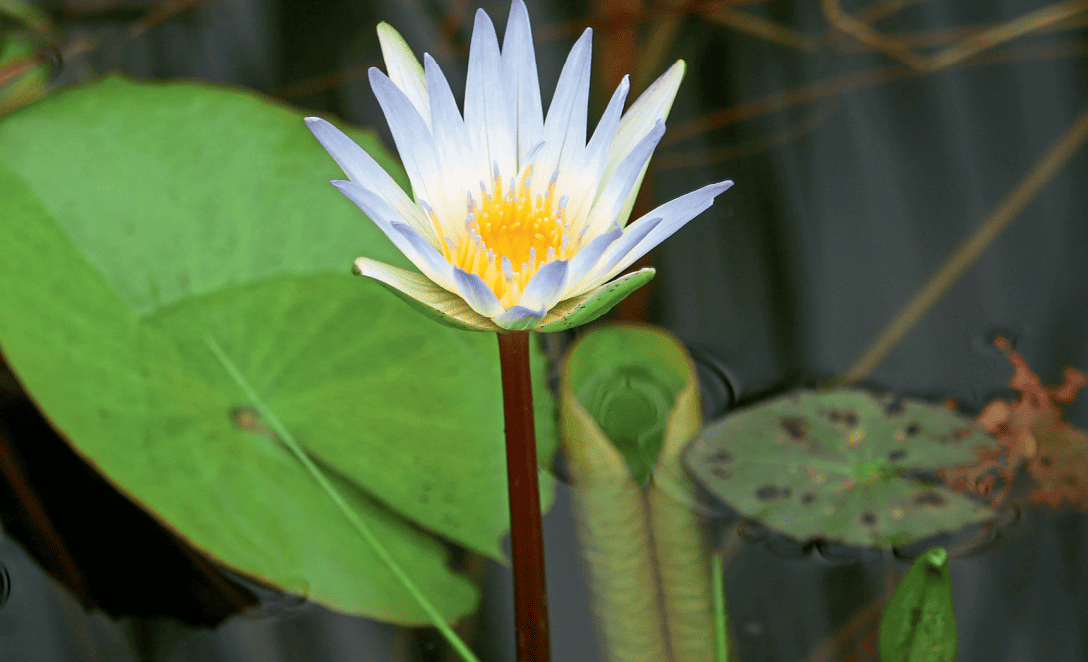
Members are invited to join a special Nature Walk to explore the fascinating wetland and terrestrial habitats of the Second New Course. The walk offers a unique opportunity to discover the rich biodiversity thriving within the Club’s lake systems and surrounding natural areas, and to learn how these habitats support a remarkable variety of wildlife.
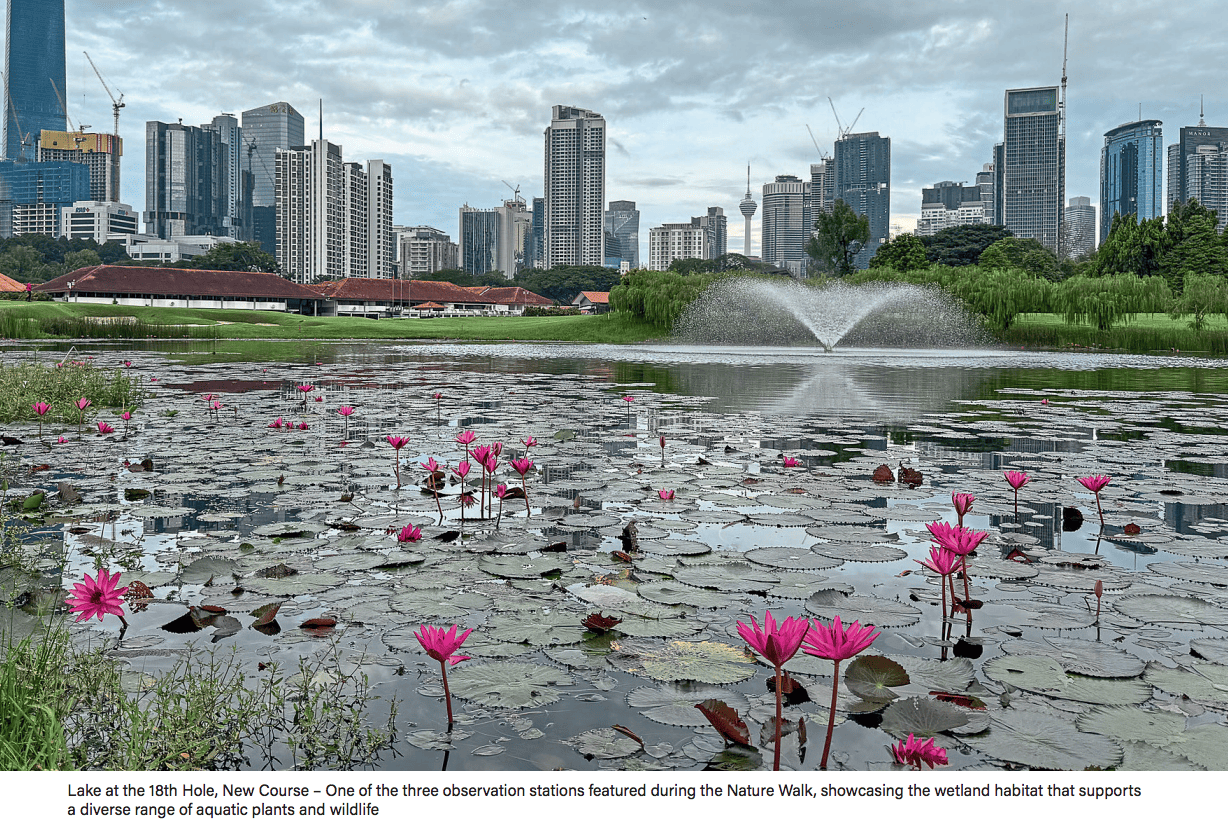
The walk will feature three observation stations:
1. Lake at the 18th Hole, New Course
2. Lake at the 17th Hole, New Course
3. Nature Reserve at the 11th Hole, New Course
Along the route, participants will encounter a variety of aquatic plant species that play an important role in attracting and sustaining waterbirds. A carefully established ecological corridor links the forested areas with the lake system, creating a balanced environment that benefits both forest and wetland species.
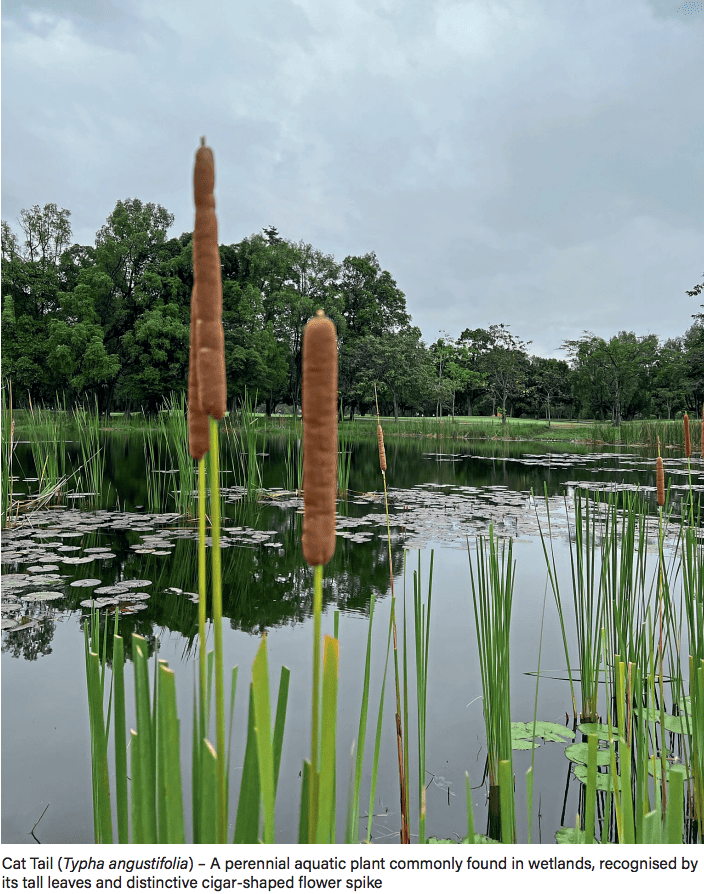
WETLAND PLANT SPECIES CAT TAIL (TYPHA ANGUSTIFOLIA)
Cat tail is a perennial aquatic plant that grows between 1.5 and 3 metres in height. It forms dense clumps from underground rhizomes and produces long, narrow leaves that may reach up to 3.5 metres. Its distinctive cigar-shaped flower spike consists of a male inflorescence at the upper section and a thicker female inflorescence below. As the plant matures, the reddish-brown female flower spike becomes covered with soft, white fibres.
Ecological functions
• Reduces suspended solids and chemical pollutants in water
• Assists in the biodegradation of organic pollutants
• Provides habitat within freshwater and brackish wetland ecosystems
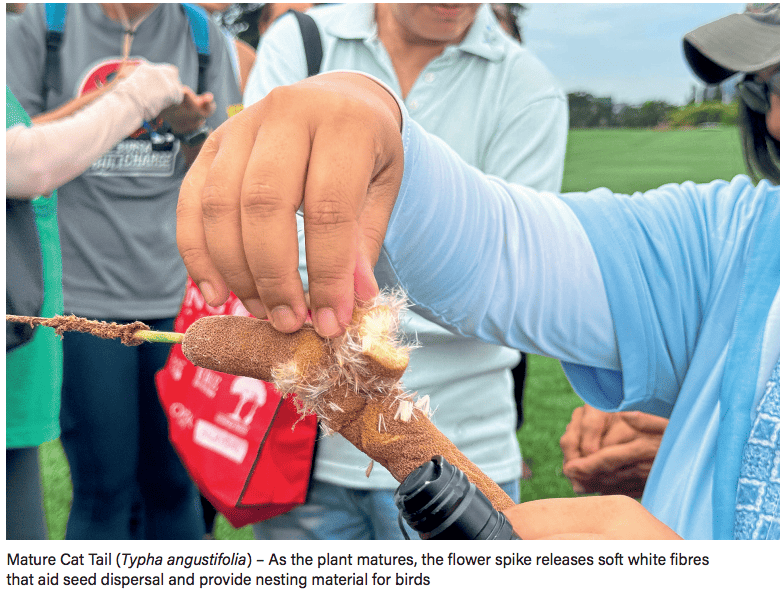
Habitat
• Swamps
• Ditches
• Oxidation ponds
• Lakes
• Freshwater and brackish water environments
Traditional uses
• Rhizomes are rich in starch and may be consumed as food
• Leaves are used for weaving and thatching
• Flower spikes are used in dried floral arrangements
• Mature fibres have been used as pillow stuffing
• In traditional Chinese medicine, pollen is used to treat bleeding and urinary disorders
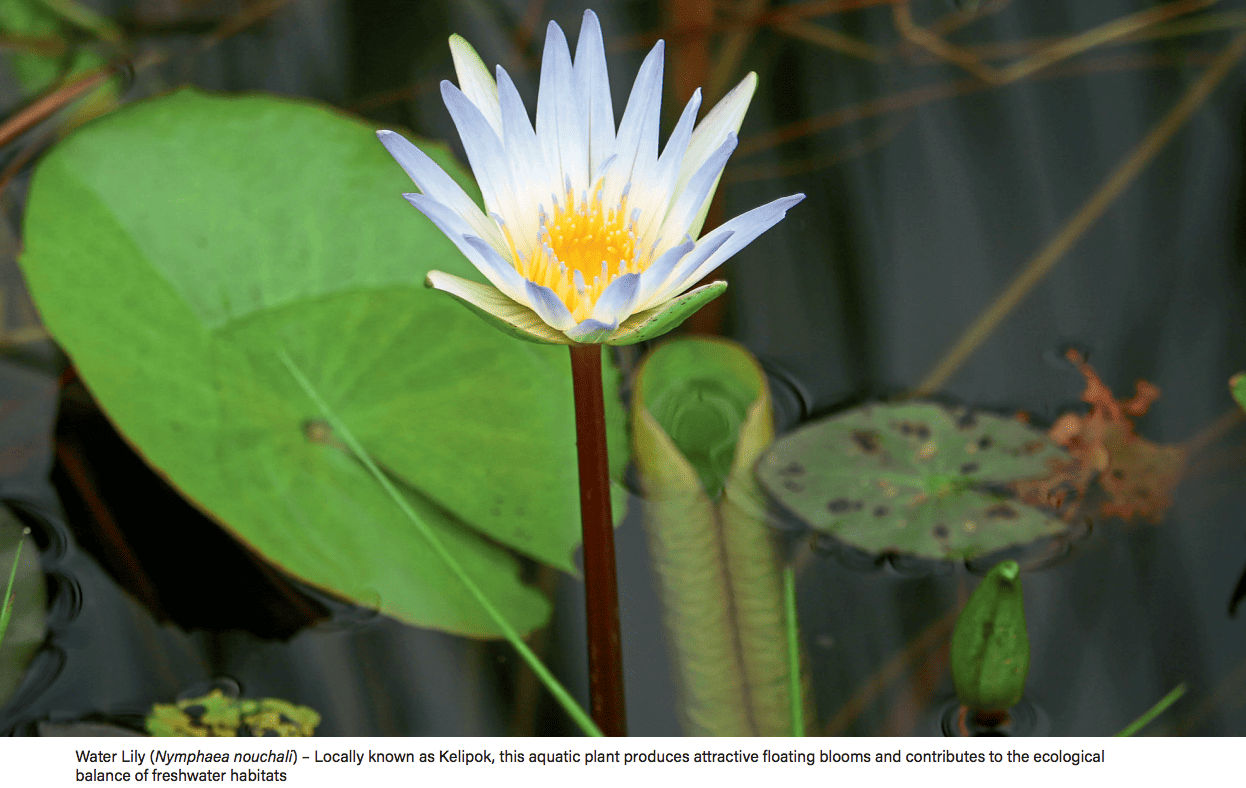
WATER LILY (NYMPHAEA NOUCHALI)
Locally known as Kelipok, the water lily is a perennial aquatic plant recognised for its floating leaves and fragrant flowers. Blooms range from white and pink to purplish-blue and typically open for only a few hours each morning.
Ecological functions
• Popular ornamental plant in gardens and parks
• Helps improve water quality by reducing pollutants
• Supports aquatic ecosystems
Habitat
• Lakes
• Swamps
• Ditches
• Stagnant freshwater pools
Traditional uses
• Plant extracts have been used as an astringent in traditional medicine
• Applied to the forehead or temples to promote sleep
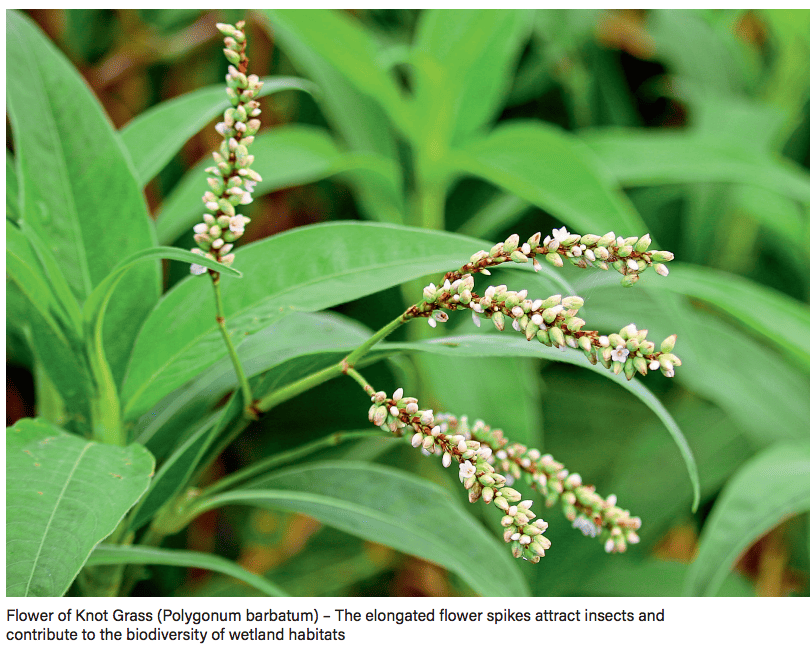
KNOT GRASS OR SMART WEED (POLYGONUM BARBATUM)
Known locally as Tebuk Seludang or Panji-Panji, this perennial species thrives in wet environments and typically grows between 30 and 90 centimetres in height. It produces elongated flower spikes and dense foliage.
Ecological functions
• Bank stabilisation
• Sediment control
• Ornamental value
Habitat
• Wet open areas
• Lake and river margins
• Rice fields
• Abandoned mining pools
Traditional uses
• Previously used in traditional medicine to treat smallpox
• Seeds provide food for fish
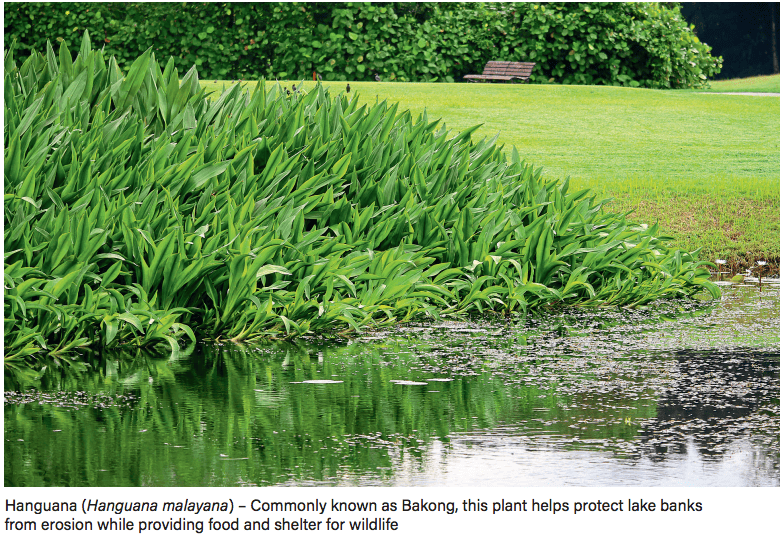
HANGUANA (HANGUANA MALAYANA)
Commonly known as Bakong, this perennial species forms large clumps with broad leaves arranged in a rosette. It produces clusters of berries that turn dark purple to black when ripe.
Ecological functions
• Protects lake and pond banks from erosion
• Reduces suspended solids and pollutants
• Improves water quality
Habitat
• Wet open areas
• Pond and lake edges
• Ditches Wildlife value
• Fruits provide food for waterbirds and arboreal birds
• Dense growth offers shelter and nesting opportunities
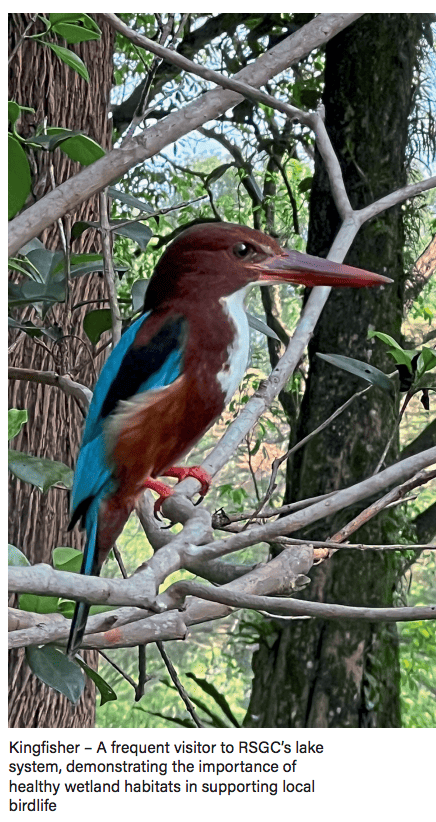
SIMPOH AIR (DILLENIA SUFFRUTICOSA)
Simpoh Air is a large evergreen shrub that can grow up to 6 metres tall. Its bright yellow flowers bloom throughout the year, making it a striking feature in wetland and secondary forest habitats.
Ecological functions
• Stabilises slopes
• Provides ornamental value in landscaping
• Serves as an important food source for birds, particularly bulbuls
Habitat
• Secondary forests
• Swampy areas
• Wastelands
Traditional uses
• Young leaves are used to wrap food, including bean curd and cooked dishes
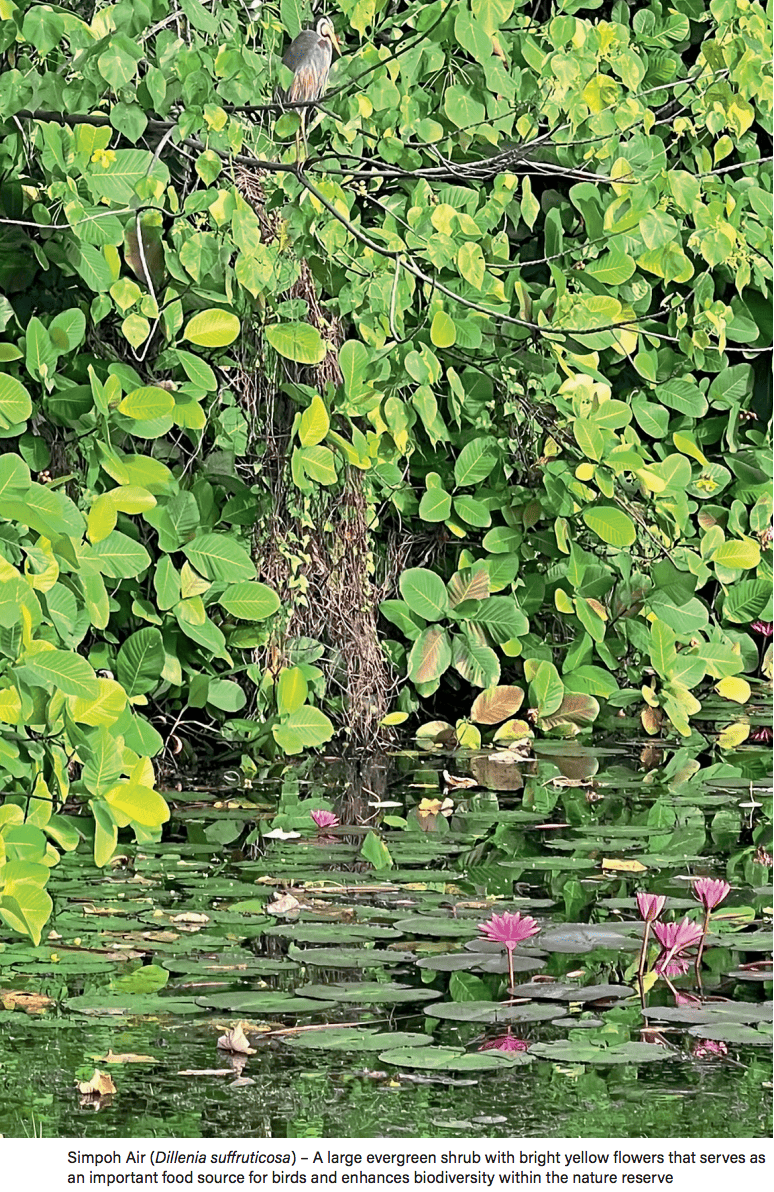
NATURE RESERVE AT THE 11TH HOLE, NEW COURSE
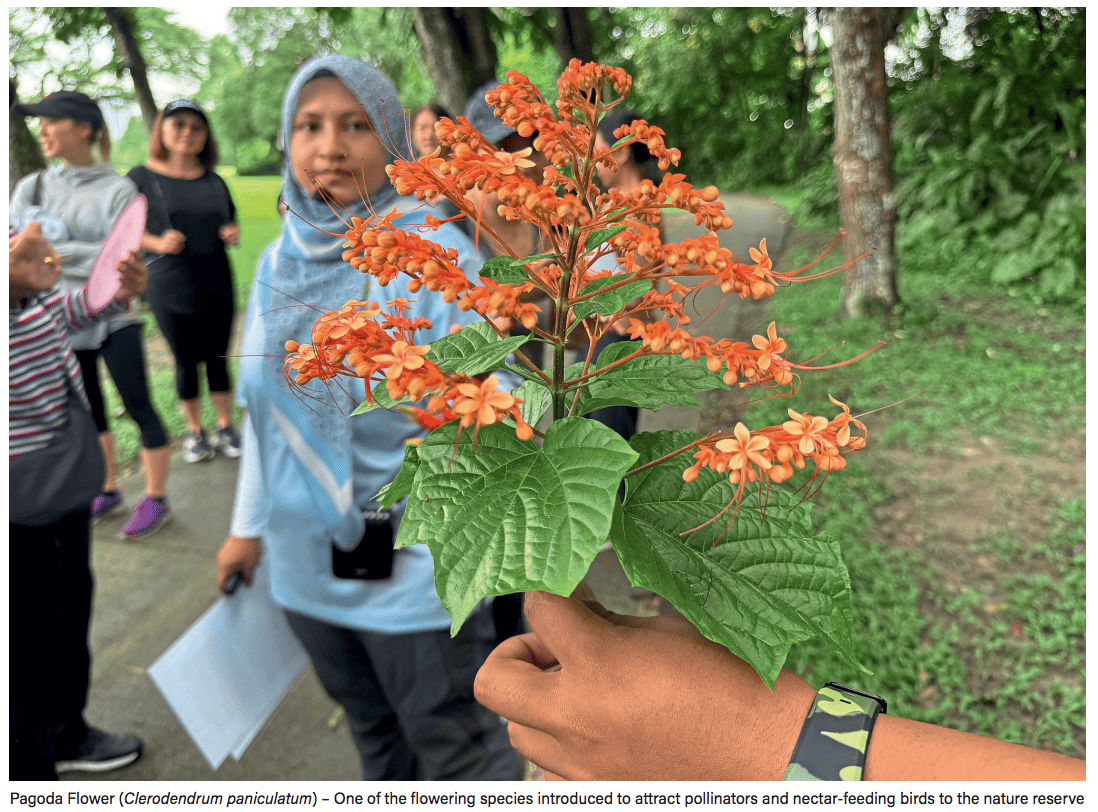
The Nature Reserve at the 11th Hole has been enhanced through the introduction of a diverse range of plant species to create a thriving terrestrial habitat. The initiative aims to:
• Increase plant diversity
• Provide food sources for wildlife
• Create shelter and nesting areas
• Improve vegetation density and structural complexity
Different plant species attract different groups of birds:
• Insectivorous birds feed on insects attracted to flowering plants such as Ixora species.
• Frugivorous birds feed on fruits produced by species such as Senduduk and Ficus trees.
• Nectarivorous birds rely on flowering plants as a source of nectar.
• Granivorous birds feed on seeds produced by grasses and marsh plants.
Fruiting species such as neem, chempaka, cherry and Ficus provide valuable food resources throughout the year. Marsh plants including Fimbristylis, Axonopus compressus and Cyperus iria produce seeds that attract munias and weaver birds.
The reserve has been carefully designed to include:
• Dense vegetation refuges
• Transition zones
• Lawns and short-grass areas
• Ecological corridors connecting habitats
Together, these features support both forest and wetland wildlife while encouraging movement between habitats.
A CONNECTED ECOSYSTEM
The integration of aquatic vegetation, lake habitats and surrounding forest areas creates an ideal environment for wildlife. The ecological corridor enables forest birds and waterbirds to share resources while maintaining their preferred habitats.
The reserve serves as:
• A refuge for waterbirds
• A feeding ground for aquatic species
• A water source for forest birds
• A year-round habitat for diverse wildlife
Members are encouraged to join the Nature Walk on 14 July 2026 and discover how these interconnected ecosystems contribute to biodiversity conservation and environmental sustainability within The Royal Selangor Golf Club.