There was once a peculiar part of everyday life that seems to be disappearing. We were bored. We waited for people without doing anything. We stood in queues and looked around. We sat in waiting rooms and read magazines we had absolutely no interest in. We stared out of car windows. We waited for our favourite television programme to begin because there was no Watch Now button.
And when someone was late meeting us, we simply waited — because there was no WhatsApp message saying, “Five minutes away!” when they were very obviously still twenty minutes away. Somehow, we survived. Today, boredom barely gets a chance.
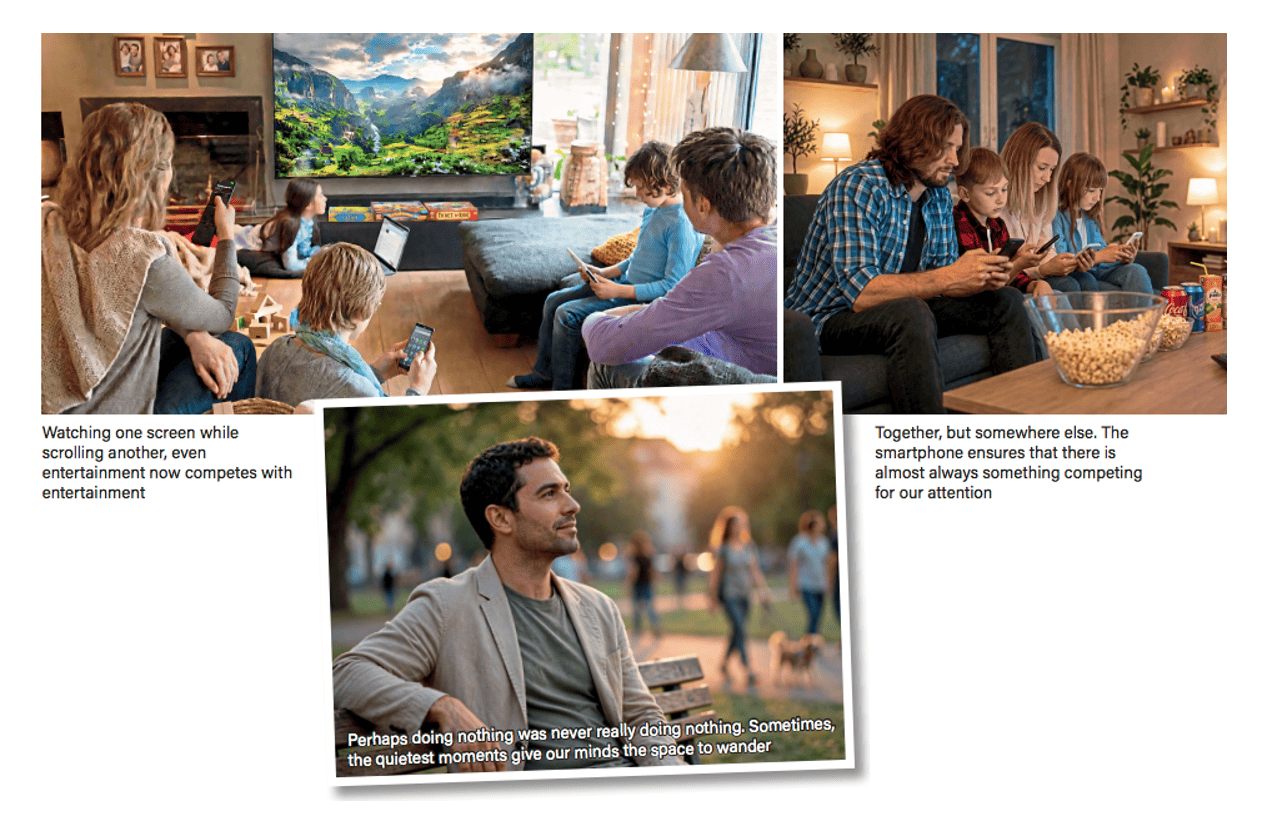
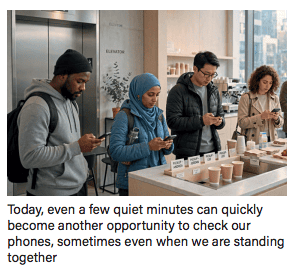
The moment nothing is happening, out comes the phone. Waiting for the lift? Phone. Waiting for coffee? Phone. Sitting alone for five minutes? Phone. Watching television? Sometimes, apparently, also phone.
We have become remarkably good at ensuring that almost every empty moment is immediately filled. Which made me wonder: Whatever happened to boredom?
WHEN WAITING REALLY MEANT WAITING
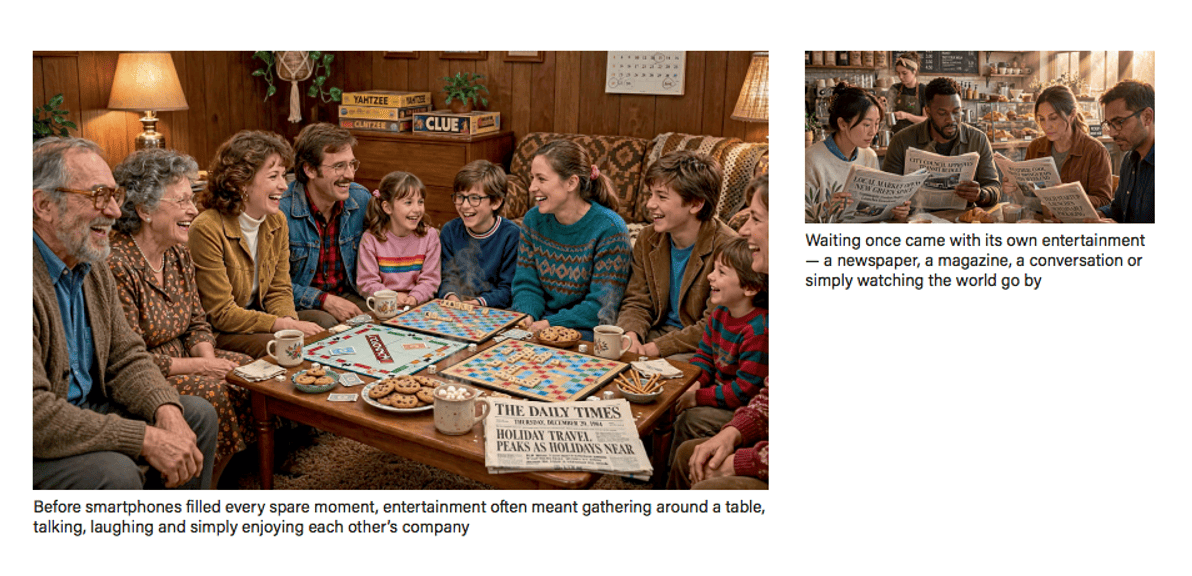
Those who remember life before smartphones may also remember how much waiting it involved. Meeting someone required a surprisingly large amount of trust. You agreed on a place and a time, and then you actually had to be there. If your friend was late, there was no blue tick, no live location and no message telling you that they were “on the way”. You waited.
Perhaps you watched people walking past. Perhaps you read something. Perhaps you became mildly irritated. But there was nothing in your pocket capable of entertaining you indefinitely. Even getting lost was different.
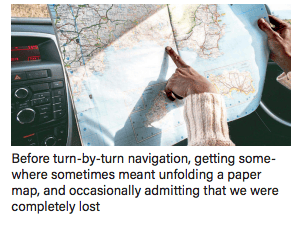
Before navigation apps, we unfolded maps, looked for road signs, asked strangers for directions and occasionally drove several kilometres in completely the wrong direction before admitting it. There were inconveniences, certainly. But there were also gaps. And we seem to have filled almost all of them.
THE GREAT ESCAPE FROM DOING NOTHING
The smartphone changed boredom because it gave us something previous generations never really had: an endless supply of something else to do. There is always another message. Another video. Another headline. Another photograph. Another email. Another notification. Another thing to search for.
And when all of those have been exhausted, there is always the possibility of opening the refrigerator. No, sorry.Opening the same app we closed thirty seconds ago. The strange thing is that we often reach for our phones without consciously deciding to. A spare minute appears and our hands seem to know what to do before our brains have even considered the alternatives.
REMEMBER DAYDREAMING?
Perhaps what disappeared alongside boredom was something rather lovely. Daydreaming. There was a time when staring out of a window was an entirely acceptable activity. Your mind wandered. You remembered something. You noticed something. You invented conversations that would never happen. You planned what you might do next weekend. Or you thought about absolutely nothing important at all.
Today, many of those moments are occupied before our thoughts have the opportunity to wander anywhere. And researchers have become increasingly interested in what happens when the mind is allowed to do exactly that. Studies of boredom and mind-wandering suggest that periods without constant stimulation can sometimes encourage reflection and creative thinking. Perhaps doing nothing was never quite as unproductive as it looked.
THE SECOND SCREEN
One habit particularly fascinates me. We can now be watching something while simultaneously looking for something else to watch. A film is playing on television. The phone is in our hand. Perhaps we check a message. Then Instagram. Then an email. Then, suddenly, we realise we have absolutely no idea what happened during the last five minutes of the film. Rewind. Watch again. Pick up phone. Repeat.
At some point, even entertainment apparently became insufficient entertainment.
BUT WOULD WE REALLY GO BACK?
Probably not. And I certainly would not suggest throwing away the smartphone and returning to paper maps, unanswered landlines and waiting outside a restaurant wondering whether everyone else had gone to the wrong branch.
Technology solved many genuine inconveniences. It keeps us connected. It gives us directions. It puts information, entertainment, photographs, music, books and communication in our pockets. The smartphone is extraordinary. Perhaps the question is simply whether every empty moment needs to be filled by it.
What would happen if the next time we were waiting for someone, we didn’t immediately reach for the phone? Perhaps nothing.
We might look around. Notice the people beside us. Watch the world go past. Think about something. Daydream. Or experience that increasingly rare sensation… being bored.
And perhaps, every once in a while, that would not be such a terrible thing.